
Cold enamel is one of the most common surface treatment techniques in modern jewelry manufacturing. Walk through any collection of vibrant fashion jewelry and the odds are high that cold enamel is behind those glossy, candy-colored surfaces. For brands sourcing at scale, this technique deserves serious attention.
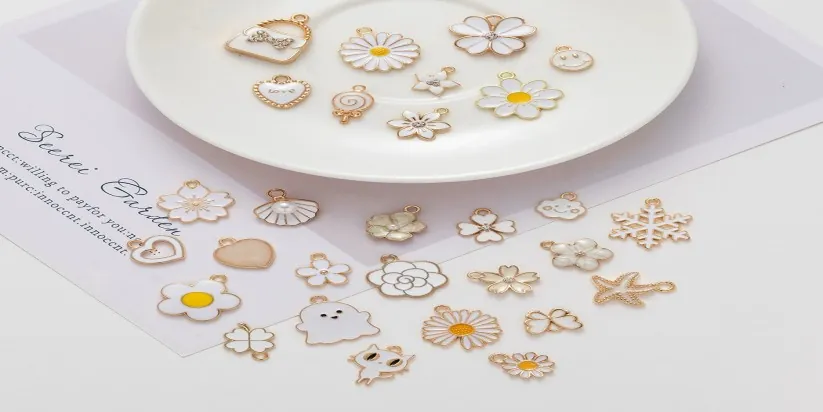
What Is Cold Enamel, Exactly?
In many manufacturing circles, cold enamel goes by another name: oil dripping, a nod to how the liquid resin appears when dispensed, like a viscous, oil-like drop settling into a metal cavity.
At its core, cold enamel is an epoxy resin base combined with a hardener (also called a curing agent), into which concentrated color pigments are blended. No kiln is required, as cold enamel cures at room temperature or with low-heat baking.
A well-executed cold enamel piece presents a smooth, plump, and highly reflective finish that appears almost glass-like. That optical depth and glossy sheen elevate the perceived value of a jewelry piece, making a brass charm bracelet look far more premium than its cost suggests.
What Is the Production Process of Cold Enamel Pieces?
For jewelry brands specifying cold enamel jewelry pieces, it’s essential to understand the manufacturing process:
1. CAD & Mold Design
Everything starts with a 3D model. Designers must engineer metal borders or recessed cavities into their designs. We call these “cloisons.” These act as walls to contain the liquid resin. Without these borders, the liquid would simply spill over the edges of the metal. An experienced designer knows how to balance the thickness of these walls so they remain sturdy but do not detract from the color.
2. Pantone Color Matching
One of cold enamel’s most commercially valuable features is precise color control. A brand can request a precise match for its specific Pantone colors. This level of accuracy is very hard to achieve with glass enamel, which often shifts color in the kiln. For brands where a particular coral or cobalt blue is a core visual asset, this capability is significant.
3. Precision Injection
Once the resin is mixed and color-matched, it must be dispensed into metal recesses with great care. Professional manufacturers use specialized pneumatic syringes to inject liquid into cavities that can be just millimeters wide. Any excess causes resin to overflow onto the metal surface, which is an immediately visible quality defect.
4. Defoaming and Curing
After injection, microscopic air bubbles remain trapped within the resin. Left untreated, these create a cloudy or pitted surface. Reputable manufacturers use vacuum defoaming to extract air before curing. The piece then cures either by air-drying over 24–48 hours or through controlled low-temperature baking, accelerating the timeline without compromising surface quality.
Cold Enamel for Jewelry Production: The Pros and the Limitations
The Advantages
The color range is virtually unlimited, from opaque solids to translucent washes and pearlescent or fluorescent effects.
The process is significantly more cost-effective than traditional kiln-fired enamel in both materials and labor.
Turnaround is faster, which matters when chasing seasonal trend cycles.
And unlike glass-based vitreous enamel, cold enamel resin resists shattering — a practical benefit for wearable fashion pieces.
The Limitations
Cold enamel is not as scratch-resistant as traditional hard enamel, which is physically fused into the metal. With repeated friction, fine surface marks can appear over time.
Additionally, prolonged UV exposure can cause cheaper resin formulations to develop a slight yellowish cast.
How to Vet a Manufacturer’s Cold Enamel Expertise
Not every jewelry manufacturer can handle cold enamel with the same level of skill. When you review samples, look for these four markers of quality:
- Resin containment.The resin must sit cleanly within its metal borders. Overflow onto the surrounding metal is a sign of imprecise injection work that consumers will notice.
- Bubble-free surface.A cloudy finish or visible air pockets indicate a rushed defoaming step. The surface should be clear and uniform across the entire filled area.
- Dust control.Liquid resin attracts airborne dust particles while wet. A serious manufacturer operates dust-free curing cabinets during the curing phase.
- Surface profile.Correctly applied cold enamel should appear slightly domed. A sunken or uneven surface indicates under-filling or poor resin quality.
Where Cold Enamel Fits Your Jewelry Line
Currently, this technique is a favorite for Gen Z trends. It fits perfectly with the “Kidcore” and “Y2K” aesthetics that dominate social media. These styles favor bright, playful colors and bold shapes.
It is also an excellent choice for vibrant summer collections. Think of turquoise blues for beach themes or hot pinks for tropical vibes. Since you can match Pantone colors, it is ideal for corporate gifts or brand-specific merchandise.
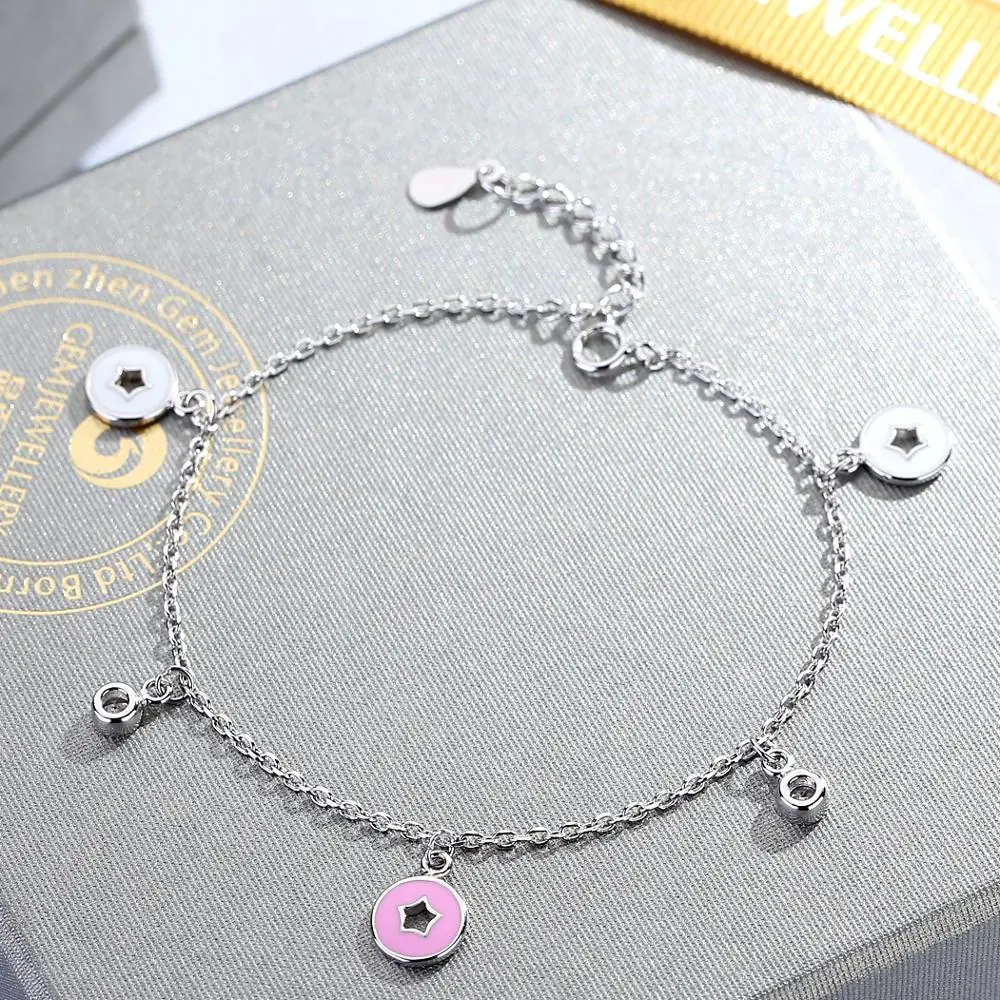
Many jewelry brands already use cold enamel for charm bracelets and personalized initial pendants, where color helps a specific letter or symbol pop against the metal.
The Right Jewelry Manufacturer Makes All the Difference
For brands ready to incorporate cold enamel pieces into their product lines, the manufacturer’s capabilities matter as much as the design itself.
With over 20 years of OEM experience, Star Harvest uses food-grade, eco-friendly pigments and strictly matches colors according to the Color Atlas to accurately reproduce Pantone shades.
A 72-hour UV curing process further guarantees that enamel lettering and logos remain crack- and peel-resistant for up to five years.
Additionally, Star Harvest implements the SH-P multiple quality control system to ensure the bulk production remains consistent with approved samples.
Ready to elevate your next collection? Get in touch with Star Harvest today and start developing cold enamel pieces that stand out in both quality and consistency.

