
Both electroplating and electroforming rely on electrical current to deposit metal onto a surface. At a glance, they sound like two names for the same thing. But for jewelry brands, the difference matters a great deal, as it affects what the piece looks like, how it performs, and what it costs to produce. Here’s a clear breakdown.
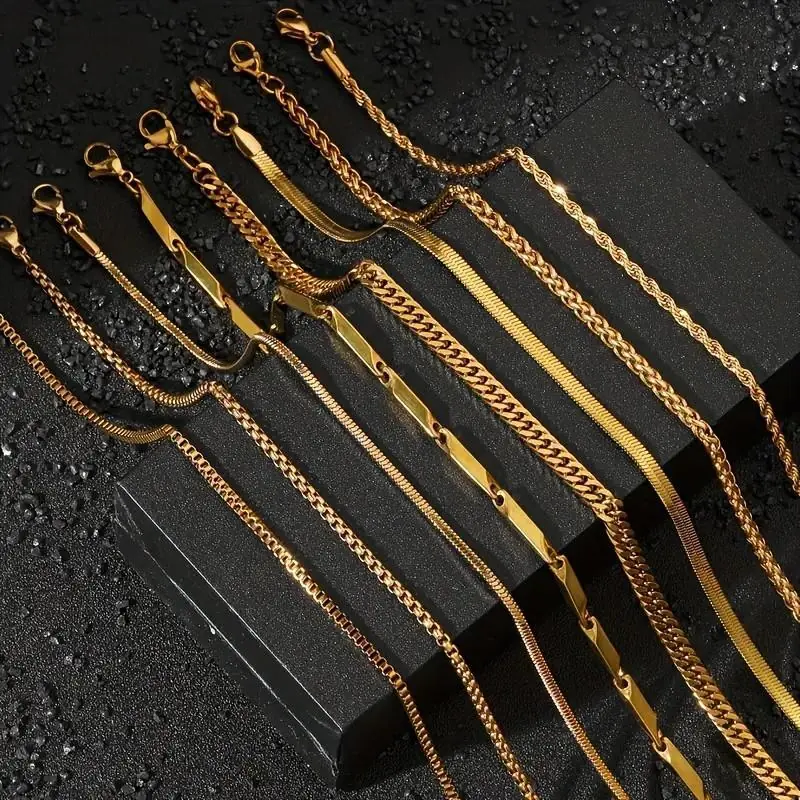
What Is Electroplating? Why Do Brands Choose Electroplated Jewelry?
Electroplating is a surface finishing process. A base metal (typically brass or stainless steel) is submerged in a liquid solution containing metal ions (electrolyte bath). An electrical current then causes a thin metal layer to bond to that base surface. The piece itself already exists; the plating simply changes what it looks and feels like on the outside.
For jewelry brands, this is one of the most practical and cost-effective ways to control the visual identity of a product line. Gold plating delivers the warm, luxurious look of gold at a fraction of solid gold’s cost. Rhodium plating gives pieces a harder, brighter surface with better scratch resistance. Rose gold finishes have become a staple for brands targeting contemporary and romantic aesthetics, and the palladium-enhanced process eliminates the chalky, powdery appearance that cheaper rose gold coatings often produce.
The durability of electroplated jewelry depends heavily on the thickness of the coating, measured in microns. A 0.1–0.3 micron layer suits short-lifecycle promotional pieces and fast fashion styles. A 1.5–2.0 micron coating holds color for three to five years and is well-suited for mainstream product lines and classic bestsellers. For premium lines, a 2.0+ micron layer combined with PVD technology offers the highest corrosion resistance and is appropriate for brands targeting markets with strict quality expectations.
What Is Electroforming? When Does It Make Sense for Jewelry Brands?
Electroforming takes the same electrochemical principle and applies it in a fundamentally different way. Instead of coating a finished metal piece, the process builds an entirely new metal structure from scratch. A mold or form, often made from wax, resin, or even organic materials like shells or leaves, is coated with a conductive paint and submerged in a metal ion solution. Electrical current causes metal to accumulate layer by layer around the form until a thick, self-supporting shell develops. The inner form is then removed, and what remains is a hollow, lightweight metal structure.
The result is the piece itself, not just its surface.
This method is the go-to choice for statement earrings, oversized pendants, sculptural cuffs, and any design where large visual scale needs to coexist with comfortable wearability. A chunky electroformed pendant that looks substantial in photos can weigh surprisingly little on the customer’s end. This is a major selling point for fashion-forward brands and everyday wear collections.
Electroforming also enables shapes that other manufacturing methods struggle to achieve. Organic contours, enclosed hollow forms, and highly detailed surface textures are all within reach because the process wraps around the form rather than carving or casting into it. For brands that compete on distinct, eye-catching aesthetics, this flexibility is a significant creative advantage.
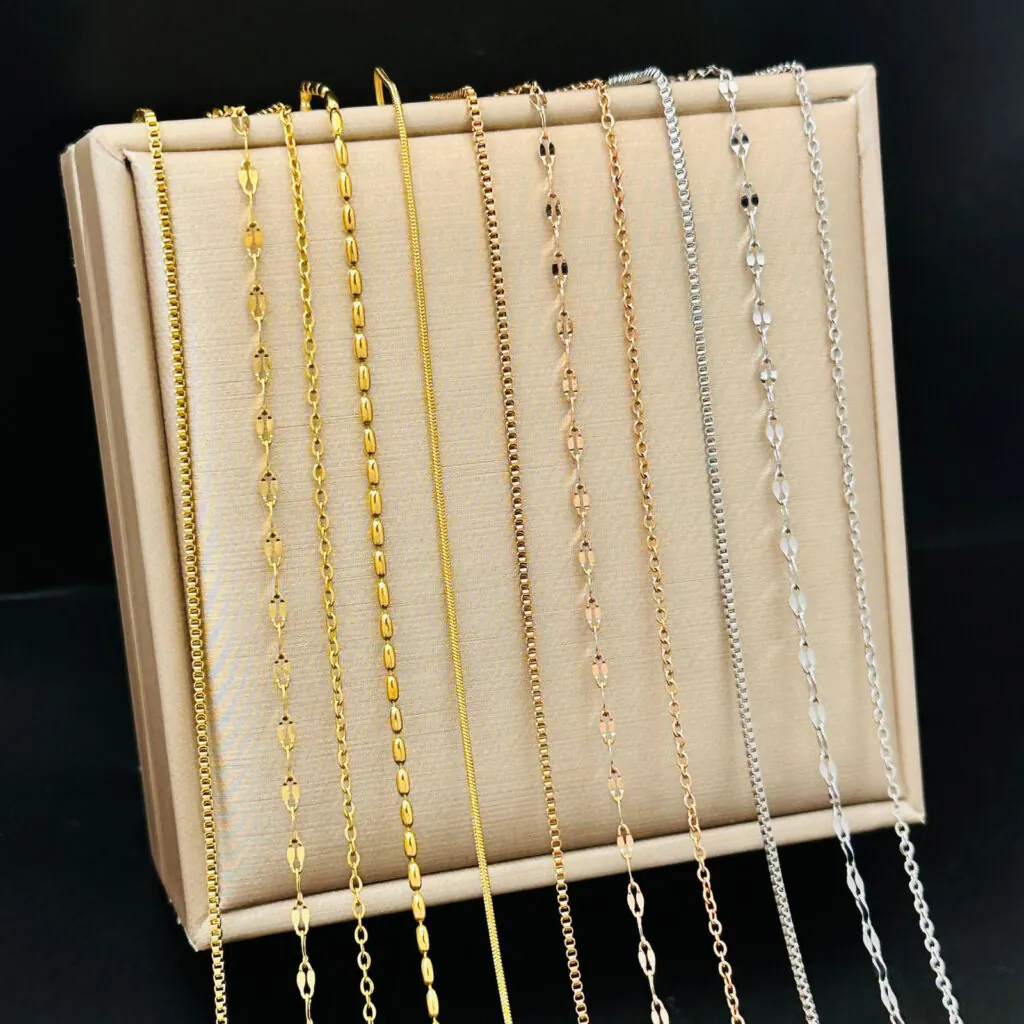
Electroplating vs Electroforming
| Electroplating | Electroforming | |
| Definition | Thin metal coating applied to an existing base | Thick metal shell built up to form the piece itself |
| Purpose | Color, finish, and surface protection | Structural fabrication of a new form |
| Layer Thickness | 0.1–5.0 microns (surface coating) | Typically 50–500+ microns (structural) |
| Use Scenarios | Gold-plated jewelry, rhodium, rose gold finishes | Statement pieces, hollow pendants, sculptural forms |
| Weight | Depends on the base metal | Very lightweight for its visual size |
| Output | A finished piece with enhanced surface | A newly created hollow metal structure |
One point worth noting: electroplating and electroforming are not mutually exclusive. Many high-quality jewelry pieces use both in sequence. An electroformed copper body provides the structural shell, and a layer of gold or rhodium plating is then applied on top for the desired finish and color.
The Right Process Starts with the Right Manufacturing Partner
Star Harvest is a professional jewelry manufacturer with over 20 years of OEM experience, specializing in brass and stainless steel jewelry for global jewelry brands.
With 7 independently developed electroplating patents and a proprietary SH-D electroplating system, Star Harvest’s coating technology delivers color retention backed by a 72-hour salt spray test standard.
We support full custom electroplating parameter options from 0.1 to 5.0 microns, with finish options spanning 18K gold, rose gold, platinum, PVD black, champagne gold, and bronze patina effects.
Whether your next collection calls for precision gold-plated jewelry across a classic line, or bold electroformed statement pieces with a premium surface finish, Star Harvest provides the manufacturing capability to bring both to market with consistency and scale.
Ready to discuss your next collection? Contact Star Harvest for a custom consultation.

