
In the United Kingdom, the jewellery sectors are undergoing a quiet but radical transformation. For decades, the primary value drivers for British jewellery brands were design heritage and exclusivity. Today, however, Environmental, Social, and Governance (ESG) criteria have shifted from being a “nice-to-have” marketing slide to a fundamental operational requirement.
With the UK Competition and Markets Authority (CMA) tightening scrutiny on “greenwashing” through the Green Claims Code, brands can no longer rely on vague promises of ethical sourcing. The spotlight has turned to the manufacturing floor—specifically, the energy-intensive, chemically complex process of custom metal casting. For medium-to-large scale brands scaling their operations, eco-efficiency in custom metal casting for jewellery is becoming a critical competitive differentiator. The challenge lies not just in sourcing recycled materials, but in re-engineering the entire casting ecosystem to reduce carbon footprints without compromising the structural integrity or finish that discerning customers demand.
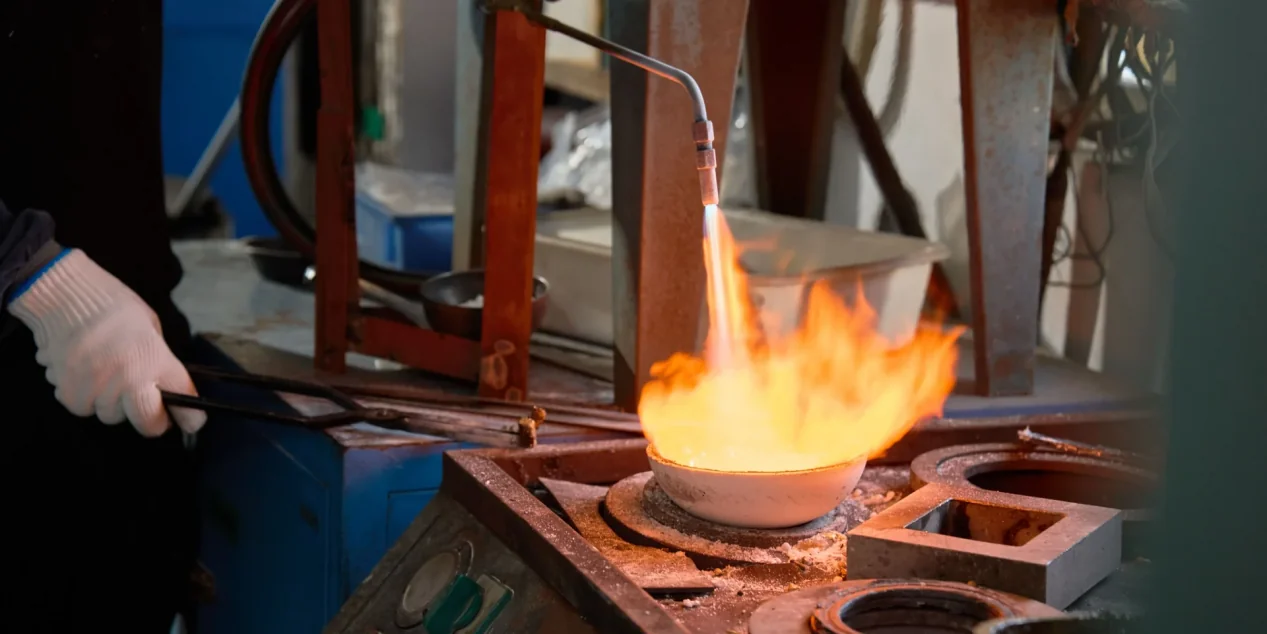
The Sustainability Bottleneck in Custom Metal Casting for Jewellery
While consumer demand for sustainable products is clear, executing a green transition in manufacturing is fraught with operational friction. For growing e-commerce brands and established jewellery houses, three specific pain points often stall progress.
Inconsistent Sustainability Standards
The global supply chain is fragmented. A brand might source ethical bullion, but if the casting facility utilizes traditional burn-out cycles with high carbon emissions or releases untreated wastewater, the “sustainable” claim becomes a liability. Many metal casting companies in the jewellery industry partner with and operate under varying regulatory frameworks, making it difficult to guarantee a standardized eco-friendly protocol across all SKUs.
Misalignment Between Design and Eco-Efficient Production
There is often a disconnect between the creative studio in London and the foundry floor. Designers may create intricate geometries that require higher casting temperatures or specific chemical additives to prevent porosity, unaware that these choices increase energy consumption. Without feedback loops from the manufacturer, design teams cannot optimize their files for eco-efficient casting.
Limited Influence on Manufacturing Decisions
For medium-scale brands, influencing the capital-intensive processes of a supplier can feel impossible. Unlike conglomerate giants that own their factories, independent growth brands often lack the leverage to demand that a supplier switch to solar power or install advanced filtration systems. This leaves them vulnerable to supply chain opacity, where they cannot verify if their custom pieces are truly being produced responsibly.
Strategies to Enter the Eco-Efficiency Stage in Custom Metal Casting for Jewellery
To navigate these bottlenecks, UK brands must adopt a multi-layered strategy that encompasses regulatory compliance, market benchmarking, and strategic upstream partnerships.
Navigating Government Regulation and Policy
The regulatory landscape in the UK is becoming increasingly stringent. Beyond the basic requirements of the Hallmarking Act 1973, brands must now navigate UK REACH (Registration, Evaluation, Authorisation and Restriction of Chemicals). This regulation places strict limits on hazardous substances like lead, cadmium, and nickel—metals often found in trace amounts in lower-quality casting alloys.
Furthermore, the UK government’s push towards a circular economy encourages the use of secondary raw materials. Brands that proactively align their casting specifications with these evolving standards—opting for certified recycled alloys and hazardous-substance-free plating—insulate themselves from future compliance risks and potential trade barriers.
Learning from the Leaders: A Case Study
A prime example of successful transformation among British jewellery brands is Monica Vinader. As a mid-luxury pioneer, the brand shifted its entire operation to use 100% recycled materials.
What makes their approach instructive is not just the material switch, but the transparency. They implemented a “Product Passport” utilizing blockchain technology, allowing customers to trace the journey of their jewellery from material recovery to the final polish. By proving that recycled metals can achieve the same high-gloss finish and durability as mined metals, they debunked the myth that sustainability requires a compromise on quality. This move didn’t just satisfy ESG criteria; it became a powerful brand narrative that drove customer loyalty and increased market share.
The Upstream Solution: Partnering with Star Harvest
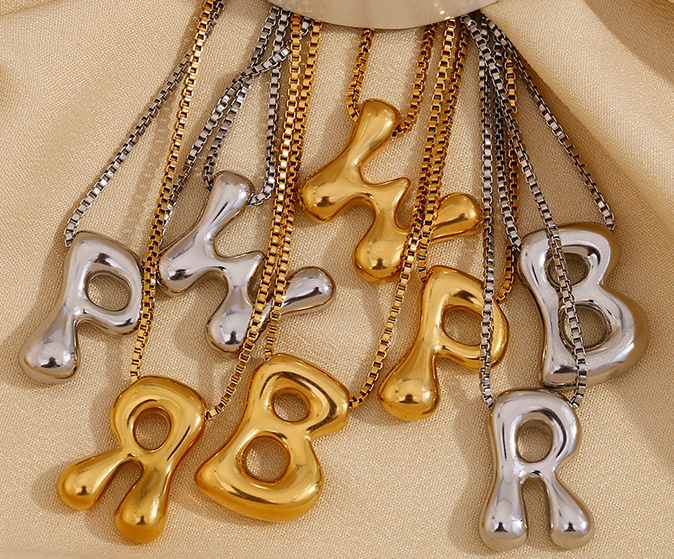
For brands aiming to strengthen their sustainability story, Star Harvest can deliver jewellery production that aligns with a wide range of environmental and compliance requirements. As a leading manufacturer of OEM jewellery, Star Harvest refines casting and material-handling processes to support the use of recycled metals while maintaining durability, ensuring our clients don’t have to compromise longevity for sustainability.
Beyond materials, Star Harvest can adapt its finishing and electroplating methods to meet stricter chemical-safety expectations in markets like the UK and EU. Our production facilities also employ water- and waste-reduction technologies designed to minimise environmental impact.
For clients with carbon or ESG reporting goals, Star Harvest can offer supporting data and documentation where needed. At the same time, robust inspection systems help maintain consistent quality throughout the casting and finishing stages.

Conclusion
For UK jewellery brands, the path to sustainability is no longer about choosing between profit and planet. It is about precision integration. The rising ESG expectations of British consumers require brands to look beyond surface-level claims and address the core of their production: the custom metal casting process.
By aligning with the stringent UK regulatory environment, learning from market leaders like Monica Vinader, and securing upstream partners like Star Harvest who offer quantifiable eco-solutions, brands can build a supply chain that is resilient, responsible, and ready for scale. In the high-stakes world of modern jewellery retail, true luxury is now defined by the integrity of its creation.
For more information, feel free to contact us today.

