
The crystal jewelry market is growing fast. The global crystal jewelry market was valued at $35.2 billion in 2025 and is projected to reach $62.8 billion by 2034, with a CAGR of approximately 6.6%. For jewelry brands looking to stake their claim in this space, this guide walks through everything needed to build a collection that actually sells.
What Is Crystal Jewelry?
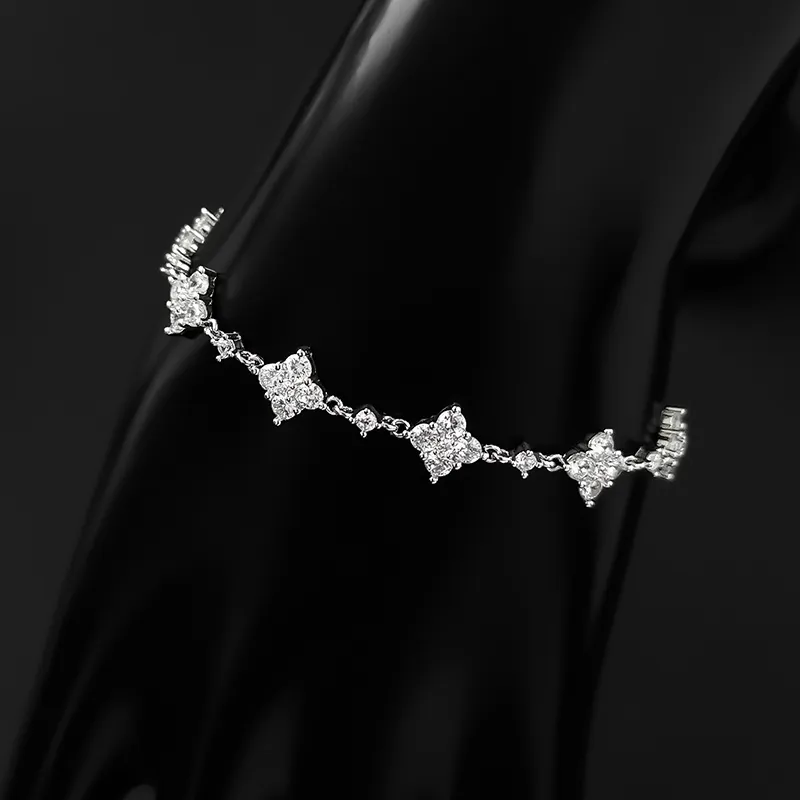
Crystal jewelry is any piece that features a crystal (natural or manufactured) as its primary decorative element. Natural crystals include stones like quartz, amethyst, and malachite, which are mined directly from the earth and valued for their unique formation and metaphysical associations. Manufactured crystals, on the other hand, are purpose-made in controlled conditions to achieve precise optical performance and consistency.
The most well-known manufactured option in the industry is Swarovski crystals. Swarovski crystals are a high-quality type of man-made glass crafted from a mix of the finest quartz sand, natural minerals, and other ingredients. They feature a tightly controlled refractive index, uniform dimensions, and a consistency that natural crystals simply cannot match at scale.
For brands, the distinction matters. Natural crystals tell a story of origin and energy; manufactured crystals like Swarovski deliver reliability, batch-to-batch color consistency, and the kind of precision that mass-market production demands. Many successful collections use both strategically.
How to Build a Profitable Crystal Jewelry Collection
A profitable crystal jewelry collection starts with strategic planning:
1. Identify Your Target Audience
The crystal jewelry market spans multiple distinct segments. The women end-user segment accounts for major global revenue, men’s crystal jewelry is an actively growing segment, and wellness-driven buyers represent a loyal, high-repeat-purchase demographic.
Clarity on who a collection serves changes every downstream decision. A wellness-focused customer base, for example, points toward natural crystal options like amethyst or rose quartz, earthy packaging, and platforms like Instagram and Pinterest where mood-driven content performs well. A fashion-forward younger demographic points toward Swarovski crystals for jewelry, trend-led colorways, and TikTok-first marketing.
2. Curate Your Core Pieces
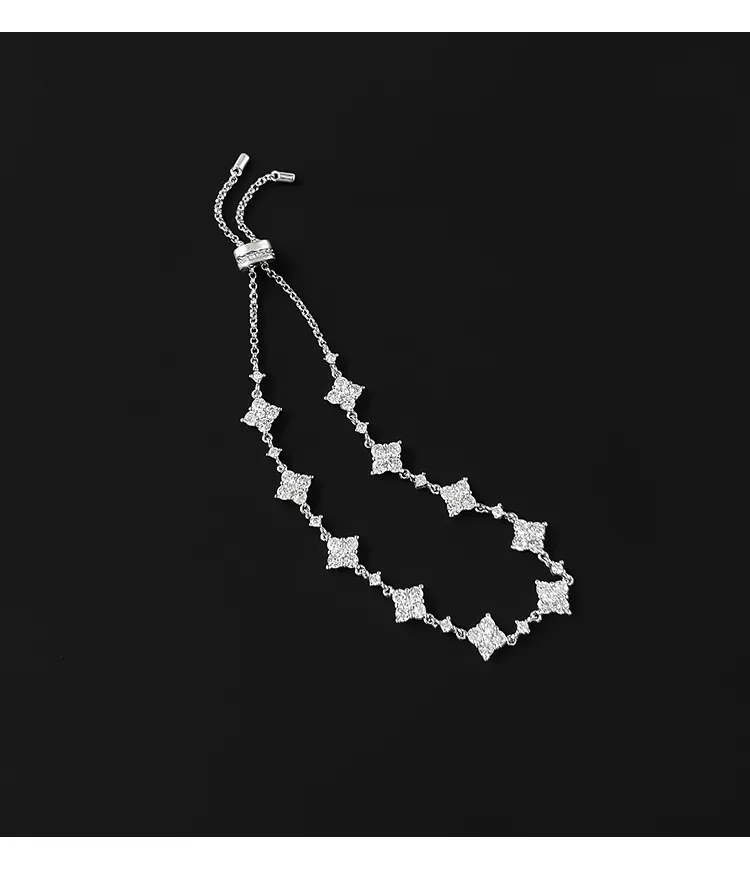
A focused range of five to eight hero pieces outperforms a bloated catalog every time. Strong performers for crystal jewelry collections include statement necklaces, stacking bracelets, and ear cuff sets, all formats that put the crystal at the visual center of the piece.
The commercial logic here is straightforward: a focused range is easier to photograph, easier to market, and easier to manage in terms of inventory and reorder cycles. It also gives customers a clearer sense of what a brand stands for. Once core pieces prove their sell-through rate, expansion into adjacent styles becomes a lower-risk decision backed by real data rather than guesswork.
3. Source from Reliable Manufacturers
Stone sourcing and jewelry manufacturing are two separate decisions that must be made in tandem. A crystal’s quality means nothing if the setting work is sloppy, the plating fades in six months, or the pieces arrive inconsistently sized. The value of crystal jewelry is in how the stone is presented, and that depends entirely on the manufacturer’s ability to execute. For Swarovski crystals specifically, sourcing through an authorized partner is non-negotiable.
4. Create a Tiered Pricing Structure
Crystal jewelry’s broad material range is a commercial advantage, so use it. A three-tier structure works well: an entry-level tier using smaller manufactured crystals on brass, a mid-tier using Swarovski crystals on gold-plated brass or silver, and a premium tier using Swarovski with fine metals or limited-run colorways. This approach opens up multiple customer entry points, supports gifting at multiple budgets, and allows a brand to trade customers up over time.
5. Marketing, Packaging, and Storytelling
Crystal jewelry sells stories as much as it sells sparkle. The crystal jewelry market moves according to fashion trends, increasing interest in holistic wellness, and the demand for personal, distinctive accessories. A brand that connects its crystal choices to a narrative gives customers something to share, which is the engine of social commerce growth.
Packaging is not a nice-to-have. For crystal jewelry at any tier, the unboxing experience directly affects perceived value, review quality, and gift-purchase decisions. A well-designed box earns its cost back in repeat purchases.
Why Partner with Star Harvest for Swarovski Crystal Jewelry
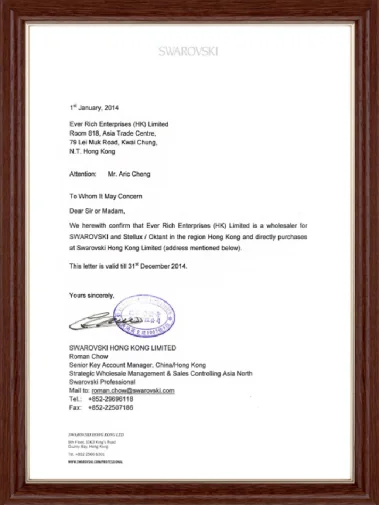
Not every manufacturer can work with Swarovski crystals. Access to genuine components requires formal authorization. Star Harvest is an officially authorized partner of Swarovski crystal, which means the Swarovski crystals used in every piece they produce are 100% genuine, sourced directly through Swarovski’s controlled supply chain.
Beyond crystal sourcing, Star Harvest brings over 20 years of OEM jewelry manufacturing experience, operating with a vertically integrated factory that covers everything from CAD design and casting to setting, plating, and packaging. For brands building crystal jewelry pieces at scale, that end-to-end capability is what turns a design concept into a consistent, shippable product.
Furthermore, the quality control system ensures that the stone setting, plating, and finish meet specifications on every order, not just the sample.
Ready to Build Your Crystal Collection?
The crystal jewelry market rewards brands that move with intention. Know your customer, curate tightly, price in tiers, and tell a story worth sharing. Most importantly, partner with a jewelry manufacturer who can actually deliver on the spec.
Contact Star Harvest to start your crystal jewelry collection.
References:

