
The stone setting style a brand chooses is not just a design decision. It shapes durability, retail price, customer experience, and return rates. Get it wrong, and the most beautiful stone in the world becomes a liability. Get it right, and a setting becomes a signature. Bezel setting has been one of the most reliable ways to get it right — and right now, it is more commercially relevant than ever.
What Is Bezel Setting?
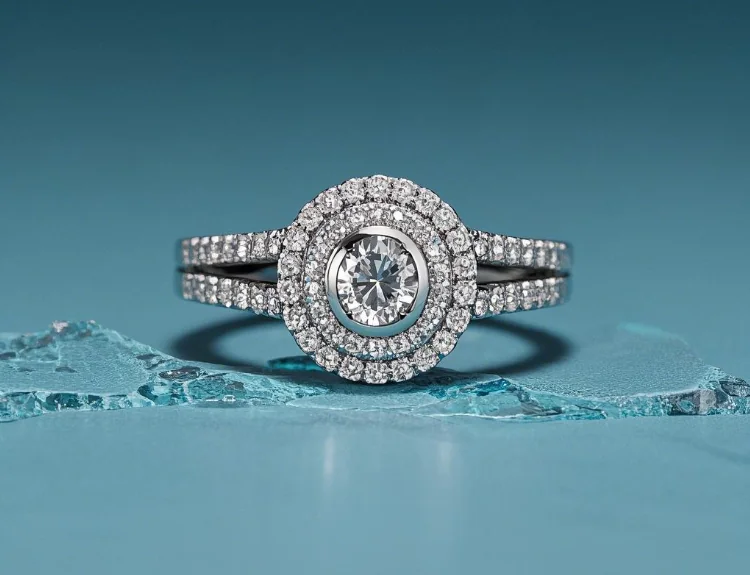
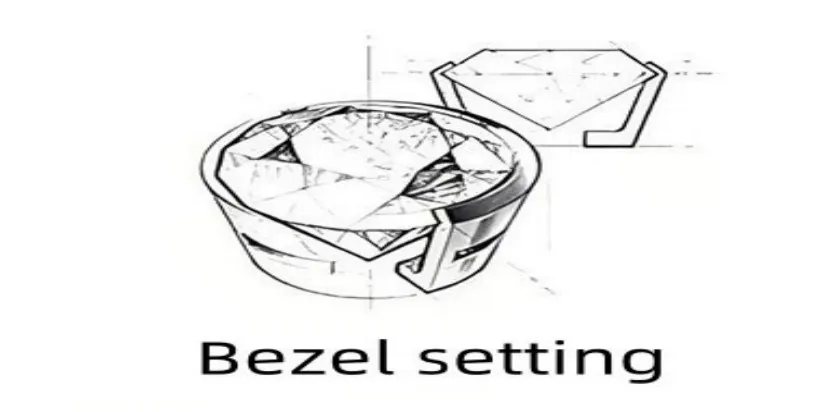
At its most fundamental, a bezel setting is stone setting technique where a metal rim wraps around the outer edge of a gemstone, holding it securely in place without the use of prongs. The rim is slightly bent inward to secure the stone and provide maximum protection to the edges. The result is a smooth, flush surface where the metal and stone sit as a single cohesive unit.
Two primary variations exist. A full bezel encircles the stone on all sides, creating a clean, seamless look where the metal protects the edges of the gemstone and offering maximum security and durability. A partial bezel (also called a semi- or open bezel) covers only part of the stone’s circumference, leaving gaps that allow more light to reach the stone from the sides and boosting its brilliance.
Compared to a prong setting, which uses metal claws to grip the stone at specific contact points, bezel setting involves significantly more metal contact with the stone and a lower profile above the surface. Compared to pavé, which sets multiple small stones flush into the metal body, bezel setting is designed to spotlight a single stone rather than create a textural field.
Tougher tones like diamonds, sapphires, and rubies are suitable for bezel settings because they can handle the extra metal contact without losing their sparkle. Softer or more delicate stones such as opals, turquoise, and pearls, arguably benefit more, since the bezel provides the protective housing they need.
The Advantages of Bezel Setting
1. Superior Stone Security
This is the setting’s defining strength. The metal in a bezel set ring can completely surround the stone’s girdle, so it is much less likely that a diamond would chip or come loose if hit. For brands building jewelry lines meant for daily wear or for customers whose hands are rarely still, this level of security is not optional; it is the whole point.
2. Sleek, Modern Look
Bezel setting feature sleek and smooth lines that make them elegant and sophisticated. The clean geometry of a bezel-set stone appeals to a customer who wants their jewelry to read as considered and contemporary rather than ornate or fussy.
3. Reduced Snagging
Since bezel settings do not use prongs, snagging is not a worry. Wearers can put on bezel jewelry without worrying about catching on knitwear, scarves, or fine silk. For brands targeting customers who wear jewelry constantly (through workouts, professional environments, and daily routines), the absence of protruding metal is a genuine quality-of-life upgrade, not just a styling choice.
The Limitations of Bezel Setting
1. Reduced Sparkle
This is the trade-off every brand needs to understand upfront. A full bezel restricts light reflection, which can make the stone appear less brilliant. Light can only enter from the top of the stone, so the scintillation a prong setting produces is dampened. Partial bezels recover some of this, but the compromise always exists.
2. Stone Appears Smaller
As the bezel setting has a rim of metal around the edges, it can make the stone look slightly smaller in size. For brands where the stone’s visible size is a key value driver, this is worth factoring into the specification, either by choosing a partial bezel or by designing a higher-set bezel that allows the stone to sit more prominently.
3. Harder to Clean Underneath
The underside of the bezel can be harder to clean since it is a hard-to-reach area, but warm soapy water and a soft brush should do the trick. It is a manageable issue, not a deal-breaker but brands building care-and-maintenance guides for their customers should include this note.
When to Use Bezel Setting in Your Jewelry Line
Not every line is the right fit for bezel setting, but several very clear use cases exist.
Minimalist collections are the natural home for bezel set jewelry. The clean metal border and flush profile align perfectly with stripped-back aesthetics where the design language is “less is more.” A single round stone in a thin gold bezel is as complete a design statement as any.
Men’s jewelry is a strong fit. The geometric lines, substantial metal presence, and understated character of bezel setting translate well into rings, bracelets, and pendants aimed at male customers who want jewelry that feels solid and intentional rather than decorative.
Activewear-adjacent and everyday wear lines benefit enormously from bezel setting’s structural advantages. There is few risk of losing a center stone during training, working with hands, or while wearing gloves. Brands positioning themselves around wearability and durability rather than pure occasion-wear will find that bezel setting reinforces their product promise at a structural level.
Softer or more delicate gemstones are natural candidates. When a brand wants to work with stones like moonstone, opal, or malachite, bezel setting is often the responsible choice because the metal housing protects edges that a prong would leave exposed.
Why the Manufacturer Makes All the Difference
Bezel setting is deceptively demanding. The metal rim must be custom-fitted to each stone’s exact dimensions — too loose, and the stone moves; too tight, and the stone cracks under the pressure of burnishing. At scale, across thousands of units, this precision requirement separates manufacturers who can genuinely deliver from those who cannot.
Star Harvest, a custom jewelry manufacturer with over 20 years of OEM experience, operates with the stone-setting expertise that bezel production demands. At Star Harvest, our in-house team handles both full and partial bezel configurations across brass and stainless steel bases, with QC checkpoints built into every stage of the OEM/ODM process.
For brands that need bezel setting executed consistently at volume, that kind of manufacturing depth is what turns a design decision into a reliable product line. So contact Star Harvest to discuss your next bezel set collection.

