
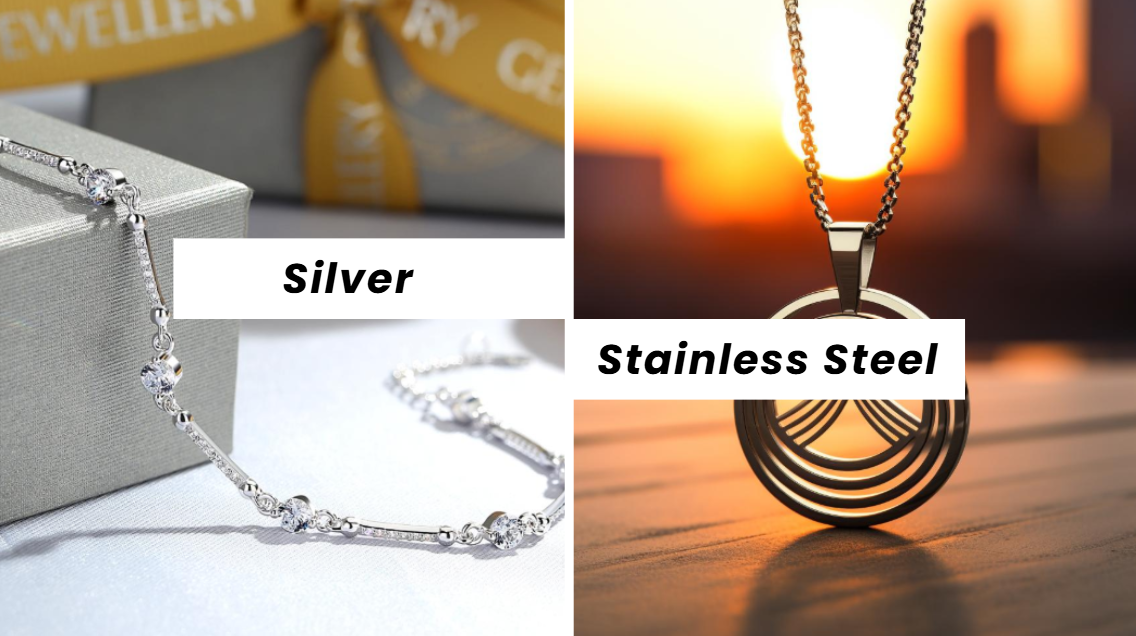
When it comes to creating stunning pieces, choosing the right jewelry casting materials is one of the most important decisions for any brand. The material you use influences the appearance, quality, longevity, and cost of your products.
For instance, silver and stainless steel are the two most used jewelry casting materials of today. Each has advantages and disadvantages, and hence, the right choice depends on the brand goals, customer preferences, and budget range.
In this blog, we have a review of silver casting materials and stainless steel jewelry casting materials, as well as a comparison between the two in order to help you decide the one ideal for your brand.
Understanding Silver Casting and Stainless Steel Casting Jewelry
Silver casting and stainless steel casting are two important processes in jewelry making, each with its own unique advantages and applicable scenarios.
Silver Casting
Silver, especially sterling silver castings, has been a classic material in the jewelry world for centuries. Silver casting involves pouring molten silver into molds to create elegant designs.
Pros:
- Unique Luster: Offers a bright, cool-toned metallic sheen that gives jewelryarefined look.
- Affordable: Costs less than other precious metals, making it accessible for designers and consumers.
- Highly Workable: Can be easily shaped into intricate designs due to its malleability and ductility.
- Popular Choice: Widely accepted in the market, increasing appeal and sellability.
- Skin-Friendly: Safe for sensitive skin, providing comfortable wear.
Cons:
- Tarnishes Easily: Oxidizes over time, especially when exposed to air, sweat, or cosmetics.
- Soft Metal: Prone to scratches, dents, and bending, so not ideal for weight-bearing parts.
- Requires Maintenance: Needs regular cleaning with a silver polishing cloth and storage in a dry, airtight place to maintain its shine.
- Protective Plating Needed: Rhodium or white-gold plating slows oxidation but cannot fully prevent tarnishing.
In all, silver works well for fashion jewelry and for high-quality, artisanal pieces that highlight craftsmanship and artistic expression.
Stainless Steel Casting Jewelry
Stainless steel jewelry casting materials are also becoming increasingly popular for their modern appeal and practical advantages. Unlike silver, stainless steel does not have a long history in jewelry making—it emerged more recently to fill a market gap for durable, low-maintenance, and affordable pieces. It is a strong, corrosion-resistant alloy used to create bold, stylish pieces, and it also offers hypoallergenic properties, environmental friendliness, and low upkeep.
Pros:
- Highly Durable: Offers excellent hardness, resists wear, impact, and breakage for everyday use.
- Corrosion-Resistant: Maintains shine over time and does not tarnish, even with exposure to moisture or sweat.
- Low Maintenance: Requires minimal care; no polishing or plating needed.
- Hypoallergenic: Safe for sensitive skin and reduces the risk of irritation.
- Environmentally Friendly: Recyclable and sustainable, appealing to eco-conscious consumers
Cons:
- Limited Color Options: Stainless steel has fewer natural color variations, and plated layers are limited in color and prone to wear.
- Hard to Work With: High hardness makes complex or delicate designs difficult to produce, and post-casting size adjustments are challenging.
Stainless steel casting materials, especially high-grade 316L, combine a premium feel with hypoallergenic properties. Unlike many non-medical-grade stainless steels, 316L offers excellent durability and a modern shine. As a non-precious metal, it balances cost-effectiveness with performance, suitable for contemporary, unisex, and everyday designs.
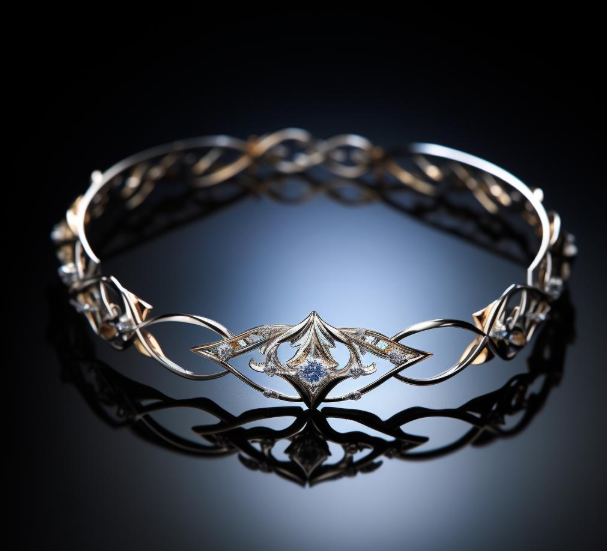
Jewelry Casting Materials Comparison: Silver vs. Stainless Steel
Silver and stainless steel, two common materials used in jewelry casting, differ in terms of daily wear and maintenance, environmental friendliness and recyclability, and material costs. We will compare them in detail from these perspectives below.
- Daily Wear and Maintenance
Silver has a bright, cool-toned luster typical of precious metals, giving it an elegant and sophisticated appearance. However, it is softer and more prone to scratches, dents, and deformation, especially in weight-bearing components like chains or ear posts. It requires regular cleaning and polishing to maintain its shine.
Stainless steel, in contrast, is hard, impact- and corrosion-resistant, and retains its structural integrity with minimal maintenance. It is highly suitable for everyday wear and offers a modern metallic finish ideal for contemporary, punk, or industrial designs, including many unisex jewelry styles.
- Environmental Friendliness and Recyclability
Silver is a precious metal that can be recycled, but its extraction and refinement have a higher environmental impact. Stainless steel is highly recyclable and sustainable, especially 316L medical-grade stainless steel, which is also allergy-safe.
- Material Costs
Silver has higher material costs, and its softness can increase production time, mold wear, and handling complexity, especially for intricate designs. Stainless steel is more affordable and durable, allowing for efficient mass production with minimal waste, while still maintaining a polished, modern appearance.
How to Choose the Right Jewelry Casting Materials
Picking the correct jewelry casting material is like searching for the best match for the design—walking the path that balances brand identity, preferences of your target audience, considerations of cost, durability, and craftsmanship requirements. Let us explore how to go about making the best choice for metal casting jewelry.
1. Know Your Target Market and Brand Positioning
Does your brand cater to a luxury appeal or affordable fashion? While the stainless steel would work for high-volume contemporary lines, silver, on the other hand, is more suitable for the luxury market.
2. Consider Pricing and Profitability
Consider your approach to product pricing. Stainless steel allows for lower costs and competitive pricing. Although silver adds value, it also raises production costs.
3. Evaluate Product Longevity and Maintenance
A good option if you want your jewelry to last and require little care is stainless steel. On the other hand, silver is perfect for clients who appreciate classic beauty and don’t mind a little maintenance.
4. Design Needs and Customization
Silver allows you greater creative freedom in delicate, artistic creations. Stainless steel is better suited for bold, clean designs with minimal detailing.
Star Harvest: Reliable Jewelry Casting Manufacturer
Star Harvest provides premium jewelry casting materials, ranging from brass to stainless steel casting jewelry. With almost 20 years in the market, we ensure certified production standards with quality and skillful craftsmanship to grant life to one’s designs. We offer reliable support for both intricate and large-scale jewelry projects. Reach out via our contact form today!

