
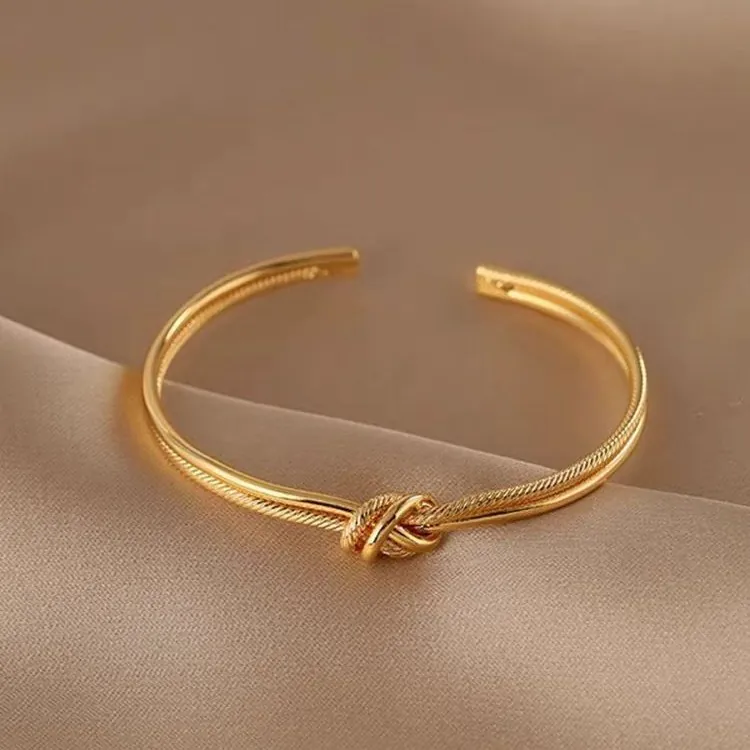
There’s a sweet spot in the jewelry market that didn’t really have a name a decade ago. It sits above the cheap costume pieces and below the five-figure fine jewelry that most people only buy once in a lifetime. That sweet spot is demi-fine jewelry, and right now, it’s the fastest growing segment in the entire industry.
The Numbers Tell a Clear Story
According to Grand View Research, the global demi-fine jewelry market was valued at approximately USD 2.46 billion in 2024 and projected to reach USD 4.65 billion by 2030, at a CAGR of 11.6% from 2025 to 2030.[1] Separate analysis from Zion Market Research puts the trajectory even higher, estimating growth from USD 2.6 billion in 2024 to USD 7.8 billion by 2034 at a CAGR of 11.7%.[2] Whichever figure you anchor to, the direction is unmistakable.
So what’s driving it?
The Millennial and Gen Z Effect
Millennial and Gen Z consumers want jewelry that imitates the timeless fine jewelry aesthetic, minus the fine jewelry price. This created space for brands like Mejuri, Missoma, and Monica Vinader to provide gold vermeil and sterling silver pieces at accessible prices. These consumers don’t see jewelry as a once-a-decade purchase. Instead, they see it as part of their daily self-expression, and they want options they can rotate, stack, and refresh seasonally.
The data backs this up. A survey by Forbes indicated that 60% of Gen Z consumers in the U.S. were influenced by social media to purchase demi-fine jewelry. Additionally, 58% of Millennial and Gen Z consumers say they prefer purchasing jewelry in the USD 151–300 price range due to its perceived value.[3]
Price Segmentation: Where the Volume Sits
The USD 151–300 segment held the largest revenue share at 41.4% of global revenue in 2024, while the below USD 150 segment is expected to grow at a CAGR of 12.1% from 2025 to 2030.[4] These two price bands collectively represent the core of the market, with both being expanding.
Women Lead, but Men Are Catching Up Fast
Women’s demi-fine jewelry accounted for 63.9% of global revenue in 2024, driven by increasing self-gifting, the desire for personalized pieces, and the growing trend of jewelry as an everyday expression of identity.[4]
But the men’s story may be the bigger growth opportunity. Men’s demi-fine jewelry is expected to grow at a CAGR of 11.2% from 2025 to 2030, driven by a shifting cultural landscape that increasingly embraces men’s fashion accessories.[4]
Social Media as a Distribution Engine
This isn’t just a product trend; it’s a discovery and trust story. According to a study, 80% of women in the U.S. report being influenced by social media when making jewelry purchases, and 70% follow influencers or celebrities who frequently wear demi-fine jewelry.[5] Platforms like Instagram and TikTok have effectively become the new storefronts, with micro-influencers and creator-led content doing the heavy lifting for brand awareness and conversion.
Regional Dominance
North America and Asia Pacific lead the charge. The demi-fine jewelry market in the U.S. is expected to grow at a CAGR of 11.8% from 2025 to 2030, driven by rising consumer preference for quality craftsmanship at accessible price points.[4] Asia Pacific dominated the demi-fine jewelry market with a market share of 36.84% in 2025, fueled by rising disposable income, affordable luxury trends, and high cultural demand in China, India, and Japan.[6]
Four Strategic Insights for Jewelry Brands
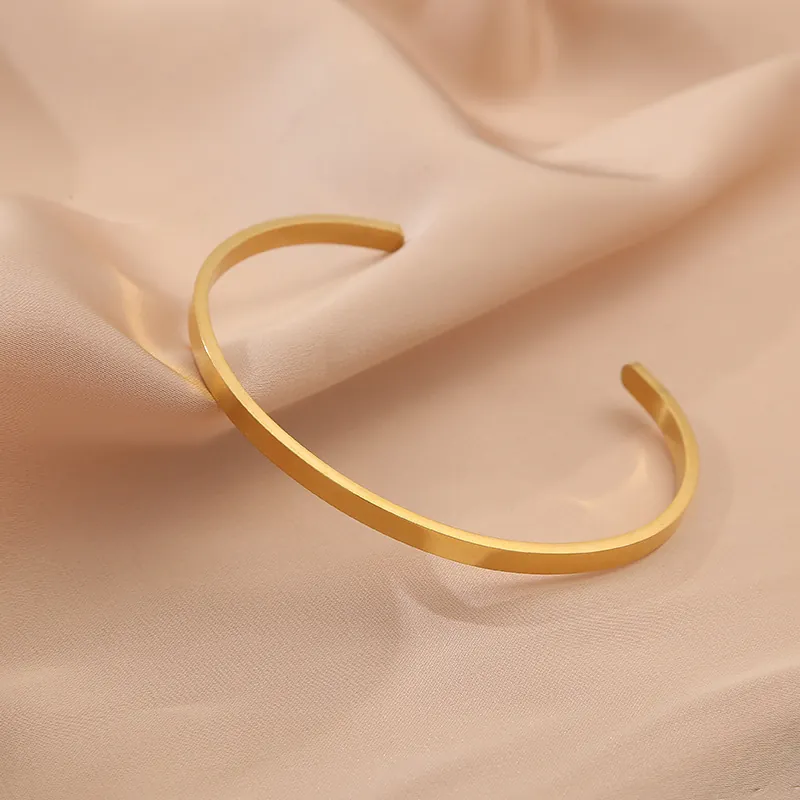
The market data above isn’t just interesting reading; it contains real, actionable signals. Here’s how jewelry brands should translate it into product and go-to-market decisions.
1. Optimize for the Two Key Pricing “Sweet Spots”
The USD 151–300 band dominates today. The sub-USD 150 band is the fastest grower. Smart brands shouldn’t have to choose. They should build a product architecture that covers both. A core collection of gold-plated jewelry pieces in the USD 80–140 range gives you volume and accessibility; a premium line in the USD 180–280 range gives you perceived value and margin.
Against the backdrop, plating quality is the variable that makes this work. A 1.5–2.0 micron gold plating layer will hold color for three to five years and justify a higher price point. A 0.5–1.0 micron layer suits the faster-moving, more affordable tier.
2. Capitalize on the Men’s Jewelry Boom
The men’s segment is growing faster than the category average, and most brands are still underserving it. The opportunity isn’t just to slap heavier chain weights on existing designs and call it a men’s line. It’s to build an intentional product with the materials, proportions, and storytelling that resonate with a male consumer who is new to jewelry buying.
Curb chains, ID bracelets, signet rings, and minimalist pendants in brushed or matte finishes are reliable entry points. Brands that build this collection now, before the segment becomes crowded, will have a first-mover advantage.
3. Commit to Verifiable, Ethical Sourcing
According to a survey, 75% of global consumers are likely to prioritize brands with clear sustainability practices by 2030.[5] For demi-fine brands, this isn’t an abstract value statement but rather a buying decision driver, particularly among the Millennial and Gen Z consumers who make up the majority of the customer base.
Brands that can show compliance documentation, material certifications, and transparent supply chains aren’t just doing the right thing; they’re building a defensible brand position. This means vetting your manufacturing partners for certifications like RJC, SGS, and ISO before the sourcing conversation even starts.
4. Leverage Omnichannel and Influencer Storytelling
The rise of e-commerce and direct-to-consumer models has reshaped the demi-fine jewelry market, with brands like Ana Luisa and Aurate eliminating traditional retail markups and going straight to the customer.[7]
That said, physical retail still matters: a 2023 survey revealed that 55% of consumers prefer buying jewelry in-store to ensure quality and authenticity.[5]
The winning playbook is both: a strong DTC digital presence, influencer partnerships aligned with the brand’s values, and selective physical presence for trust-building.
Why Your Manufacturing Partner Is a Strategic Decision
None of these strategies works without reliable production behind them. A demi-fine brand lives by consistent quality across every batch. If the plating fades inconsistently, if stones fall out, if the finish doesn’t match the sample, the brand takes the hit regardless of how good the marketing is.
This is where the choice of jewelry manufacturer becomes a competitive variable, not just a cost line.
Star Harvest has been a trusted OEM jewelry manufacturer for over 20 years, specializing in brass and stainless steel jewelry for global fashion brands. Our production infrastructure is designed for the demi-fine tier: high-quality output at scalable volume, with the certifications and documentation that ethical-sourcing-focused brands need.
On the plating side, Star Harvest’s proprietary SH-D electroplating system supports full custom parameter options from 0.1 to 5.0 microns, with a 3-year no-fade guarantee backed by 72-hour salt spray testing and 48-hour wear resistance verification. Our factory holds RJC, SGS, and ISO certifications, and provides compliance documentation for REACH and CPSC regulations. For stone-set pieces, our precision micro-inlay system achieves accuracy to 0.3mm, with each batch optically screened and put through 300 tensile tests to verify stone retention.
The Window Is Open, But It Won’t Stay That Way
The demi-fine jewelry market is in a growth phase that rewards early movers. Consumer appetite is real, the demographics are favorable, and the infrastructure to serve this segment at scale now exists. But as more brands enter the space and consumer expectations around quality and ethics continue to rise, the bar for what it takes to compete will only get higher.
So contact Star Harvest to discuss your next demi-fine collection today.
Reference
- https://www.grandviewresearch.com/industry-analysis/demi-fine-jewelry-market-report
- https://www.zionmarketresearch.com/report/demi-fine-jewelry-market
- https://www.persistencemarketresearch.com/market-research/demi-fine-jewelry-market.asp
- https://www.grandviewresearch.com/industry-analysis/demi-fine-jewelry-market-report
- https://www.persistencemarketresearch.com/market-research/demi-fine-jewelry-market.asp
- https://www.fortunebusinessinsights.com/demi-fine-jewelry-market-108419
https://www.custommarketinsights.com/report/demi-fine-jewellery-market/

