
Selecting the ideal metal for gold plating is a crucial decision that can significantly impact the quality and durability of the final product. The choice of base metal not only influences the appearance of gold plating jewelry but also affects its longevity and customer satisfaction. This article delves into the best metals for gold plating, their properties, and the benefits of partnering with a reliable gold plating jewelry service.
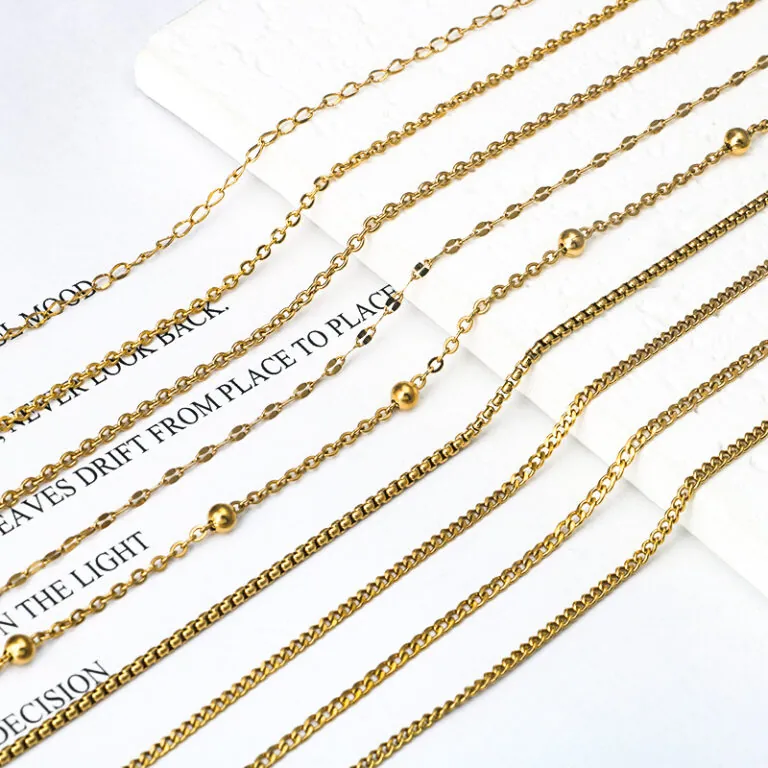
Common Metals Used for Gold Plating
Several metals are commonly used as bases within a professional jewelry factory, each offering unique advantages for international brands. Brass is one of the most popular choices in the jewelry factory due to its cost-efficiency and good conductivity. It provides a solid foundation for gold plating jewelry and is widely used for high-volume fashion collections. While brass is a staple in any jewelry factory, a professional partner will always advise mid-to-large scale brands on the best plating thickness to ensure the desired lifespan and market appeal.
Stainless steel is a robust alternative used extensively in our jewelry factory, especially for items exposed to moisture or daily wear. Its superior resistance to corrosion makes it a favorable choice for gold plating jewelry aimed at long-term use by international brands. Within the jewelry factory, stainless steel requires specialized surface preparation and PVD techniques, but it produces stunning pieces that maintain their beauty over time, meeting the rigorous standards of mid-to-large scale retailers.
Evaluating Metal Properties for Gold Plating
When considering the ideal metal for gold plating, a professional jewelry factory evaluates the technical properties of each option. Factors such as conductivity, corrosion resistance, and compatibility with the specific electroplating process play a significant role. Metals with good conductivity processed in the jewelry factory ensure an even and consistent application of gold, enhancing the overall quality of the finish for global consumers.
Corrosion resistance is also vital for the collections of international brands, particularly for jewelry intended for daily wear. Choosing a metal that withstands exposure to moisture and sweat can significantly extend the lifespan of the gold plating produced in the jewelry factory, ensuring customer satisfaction and reducing return rates for mid-to-large scale businesses.
The Importance of a Reliable Gold Plating Jewelry Service
Partnering with a reputable gold plating jewelry service is key to achieving optimal results. A quality service will provide expert advice on the best metals for your specific designs and target market. They can guide you through the selection of base metals that balance cost and durability, helping you make informed decisions.
Additionally, an experienced jewelry factory like Star Harvest will ensure proper surface preparation and application techniques, resulting in a superior finish that enhances the appeal of your gold-plated jewelry. Their manufacturing expertise can significantly reduce the risk of defects, ensuring that your products from the jewelry factory meet the highest international standards and exceed customer expectations.
Elevate Your Jewelry Offerings with Star Harvest
Choosing the ideal metal for gold plating is essential for creating stunning and durable jewelry. By understanding the properties of different base metals and collaborating with a reliable gold plating jewelry service, brands can enhance their offerings and satisfy customer demands. At Star Harvest, we specialize in providing tailored gold plating solutions that ensure quality and longevity. Our commitment to excellence helps you create beautiful gold plated jewelry that stands the test of time. Let us support your brand in achieving exceptional results with our expert services.

