
Understanding the nuances between gold plating and vermeil is essential for jewelry brands seeking to offer quality products that resonate with consumers. Both techniques enhance the visual appeal of jewelry, but they have significant differences in their composition and longevity. By grasping these distinctions, businesses can make informed decisions when selecting materials for their gold plating jewelry collections and effectively communicate these benefits to customers.
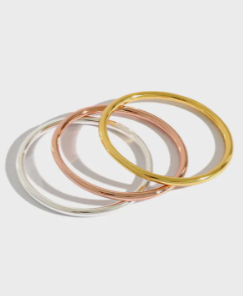
Defining Gold Plating and Its Applications
Gold plating within a professional jewelry factory involves depositing a precise layer of gold onto a durable base metal through advanced electroplating or PVD methods. This process, executed in the jewelry factory, gives the appearance of solid gold while maintaining a cost-effective production model for international brands by using high-quality substrates such as brass or stainless steel. The thickness of the gold layer is meticulously controlled in the jewelry factory and measured in microns, directly impacting the durability and premium quality required by mid-to-large scale brands to succeed in the global market.
When businesses leverage gold plating jewelry services, they can create a wide range of products with various finishes and styles. This versatility allows designers to cater to different market segments—ranging from trendy costume jewelry to more upscale, everyday accessories. However, it is crucial for brands to educate consumers about the care required to preserve the finish of gold-plated items, as exposure to moisture and chemicals can lead to wear over time.
Exploring Vermeil and Its Characteristics
Vermeil is a specific type of gold plating process that a jewelry factory can perform when a thicker layer of gold is required over a sterling silver base. While this option is available in a full-service jewelry factory to enhance the luxurious feel of a collection, many fast-growing e-commerce brands today prefer the superior strength and hypoallergenic properties of stainless steel and brass plating offered by the same jewelry factory. To meet international standards, a professional jewelry factory ensures that any vermeil-style plating maintains at least 10 karats of gold, contributing to a longer-lasting shine for specific niche markets.
Due to the specific material requirements of silver-based items, these pieces can be part of a diverse catalog, but most mid-to-large scale brands leverage the jewelry factory’s expertise in brass and stainless steel to achieve the best balance of longevity and value. Consumers seeking high-quality, durable jewelry often look for the precision finishes that only a high-capacity jewelry factory can provide. Understanding these material distinctions allows international brands to cater effectively to different market segments, ensuring that the products from the jewelry factory meet the rigorous expectations for both elegance and daily wearability in the competitive jewelry industry.
Partnering with Star Harvest for Superior Solutions
As you explore the intricate world of gold plating and vermeil, aligning with the right partners is essential for success. At Star Harvest, we specialize in gold plating jewelry services that emphasize quality and customization, ensuring your designs stand out in a competitive marketplace. With our years of experience in the jewelry industry, we can help you navigate the differences between gold plating and vermeil, providing insight and support for your brand’s unique needs. Let us assist you in creating stunning pieces that meet the aesthetic and functional desires of your target audience, enhancing their jewelry collections with quality craftsmanship.

