
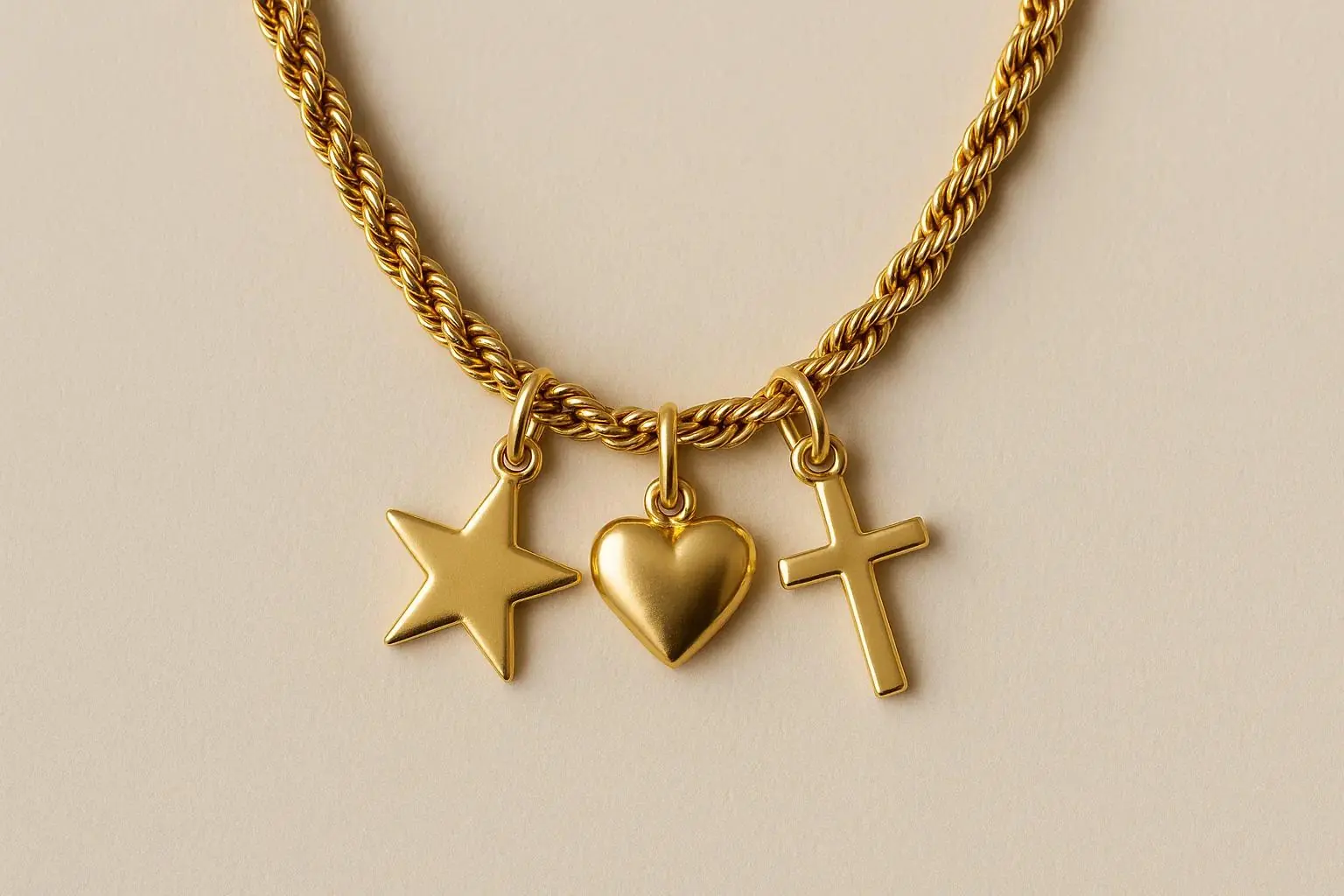
In the competitive landscape of the American jewelry market, the rope chain with pendant remains a cornerstone of profitable collections. Far beyond a simple accessory, these pieces represent a fusion of structural integrity and aesthetic versatility that drives repeat business.
For scaling e-commerce brands, strategic sourcing and precise design choices in these staple SKUs directly influence consumer engagement and brand retention. This article explores how established brands can leverage material innovation and targeted product positioning to maximize the commercial potential of this timeless classic.
Understanding Consumer Preferences
A rope chain with pendants appeals to a wide range of consumers, and their choices vary based on age, lifestyle, income, and personal style. Understanding these differences helps brands decide which styles to prioritize.
Younger professionals tend to prefer pieces that feel trendy and easy to personalize. Mid-to-thin rope chains with a lighter feel suit this segment well, especially when paired with symbolic or customizable pendants. Polished stainless steel rope chain designs or soft gold finishes help keep these designs modern and accessible in price.
More mature or higher-income consumers tend to prefer pieces with a classic presence and long-term durability. Thicker rope chains with a well-defined twist and substantial pendants align with their expectations. Stable color tones and higher-grade plating matter more for this group of people, making brass or stainless-steel options with strong finishing a reliable choice.
When brands understand which chain thicknesses, pendant styles, and finishes resonate with each consumer group, they can structure collections and positioning more effectively. This clarity guides assortment planning and supports stronger commercial results.
Design Considerations for Maximum Appeal
Here are some design aspects to keep in mind to get maximum buyer appeal for the rope chain with pendant category:
1. Chain Thickness & Texture
Chain thickness and texture shape how a rope chain with pendant is perceived. Slimmer ropes suit trend-focused shoppers who prefer a lighter look, while thicker chains appeal to customers who want a stronger visual presence and statement styling.
2. Pendant Integration
The pendant must pair well with the chain in both size and style. Balanced proportions, clear symbolism, and smooth movement on the chain help the piece feel intentional and refined.
3. Material Choices
Material selection shapes both performance and market positioning of a rope chain with pendant jewelry brand. Copper and stainless steel rope chain necklaces remain reliable options because they offer strength, affordability, and flexibility for different design styles. These materials also support a wide range of finishes, from bright gold plating to brushed steel tones, giving brands room to build distinct visual identities.
4. Customization & Layering
Customization and layering trends continue to influence buying behavior. Consumers respond well to designs that allow mixing and matching, whether through interchangeable pendants or rope chains that pair easily with other necklaces. This encourages repeat purchases and helps brands build collections that stay relevant across seasons.
Aligning Design with Brand Strategy
Here are some design and branding strategies that can help brands attract a returning customer base:
1. Portfolio Structuring
Structuring a well-balanced portfolio helps brands guide consumers through clear style categories. Rope chains with pendants can be organized into everyday basics, seasonal trend pieces, premium statement designs, and materials used, such as the rope chain stainless steel, so customers easily understand the range and choose according to their needs.
2. Trend vs. Timeless Balance
Balancing trend-driven items with timeless styles is equally important. Trend pieces help the brand stay relevant, while classic rope chains and pendant combinations offer long-term sales stability and strengthen brand identity.
3. Price Tiering
Price tiering allows brands to reach multiple customer segments. Lightweight rope chains and simple pendants can sit in entry tiers, while thicker chains, premium finishes, or intricate pendant work support higher price points.
4. Brand Differentiation
In order to stand out in the competitive market, you need to make a unique brand identity. Material choices, signature textures, and recognizable pendant shapes help create a visual identity that stands out in competitive jewelry categories.
Operational Insights for Jewelry Brands
Turning a rope chain and pendant concept into a strong product line requires more than design work. Brands need manufacturing support that can translate fine textures, precise chain twisting, and accurate pendant integration into consistent and scalable production.
This means that the role of a reliable and experienced production partner becomes important. A capable manufacturing partner can produce accurate samples quickly, maintain uniformity from batch to batch, and guide brands on structural improvements that support long-term durability.
Star Harvest provides this kind of operational support by combining careful quality control with efficient development processes. The team works closely with brands to refine chain structure, pendant fit, plating tone, and weight balance so the final product meets both aesthetic and commercial expectations. This gives growing jewelry companies the confidence to scale their rope chain and pendant lines while preserving the design precision that consumers expect.

