
Surface treatments are indispensable in high-quality jewelry since they control how metal interacts with light and tolerates wear. Enameling and epoxy coating are among the widely used techniques in jewelry surface finishing. Enamel applications use finely ground glass fused to the metal at specific melting points. On the other hand, epoxy coatings utilize formulated resins that solidify in controlled curing cycles for uniform thickness and strong adhesion.
Artisans must master material composition, firing or curing conditions, and color rendition when choosing enamel vs. epoxy for designs. It improves consistent color vibrancy and endurance and raises the final piece to a refined standard.
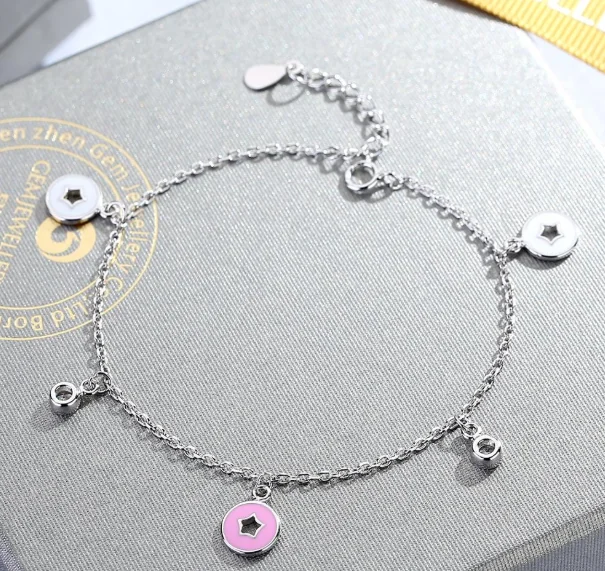
What Is Enamel in Jewelry?
Enamel is an ancient technique that fuses ground glass with metal. Artisans use copper, silver, or gold substrates because their thermal expansion rates match glass. Too much mismatch causes cracks. Craftspeople add small amounts of metal oxides to the glass for shades.
They also layer transparent and opaque enamels for depth effects. Good surface preparation ensures the glass adheres. Expert jewelers test multiple glass blends before production since color shifts can happen during high-temperature firings.
What Is Epoxy in Jewelry?
Epoxy is a high-strength resin that forms a thermoset layer when mixed and cured. Its molecular crosslinking is denser than many standard coatings, so jewelers favor epoxy to lock in metal inlays and designs.
Epoxy can accommodate microscopic air channels and latch onto uneven surfaces for a bond that endures mechanical stress. Its low outgassing property lowers voids in tiny cavities for protective film.
Difference between Epoxy Paint and Enamel Paint
Enamel and epoxy each offer unique advantages in jewelry manufacturing. Here are the differences across key aspects:
Crafting & Application:
Enamel is created by fusing finely ground glass powders onto metal substrates at high temperatures (760–900°C), requiring careful surface preparation and layering to ensure proper adhesion and depth effects. This artisanal, labor-intensive process is ideal for intricate, high-end designs.
In contrast, epoxy is a high-strength resin that cures at ambient temperature, bonding well to uneven surfaces and accommodating microscopic air channels. Its simpler, low-temperature process allows for faster application, making it suitable for both complex patterns and routine production.
Durability & Mechanical Performance:
Enamel delivers exceptional scratch resistance, strong UV and corrosion stability, and retains its vibrant color for generations. It is particularly suited for fine jewelry that demands long-lasting quality and visual appeal.
Epoxy, on the other hand, provides high tensile and flexural strength, maintains clarity under UV exposure, and withstands everyday mechanical stress. While slightly less hard than enamel, its resilience and durability make it an excellent choice for pieces designed for frequent wear and practical use.
Design Precision & Artistic Detail:
Enamel enables intricate motifs, multi-layered coloring, and techniques like plique-à-jour, giving jewelry rich depth and artisanal appeal.
Epoxy can be layered for smooth, glossy finishes and reliably reproduces complex patterns, though it offers slightly less depth and handcrafted nuance than enamel.
Production Efficiency & Cost:
Enamel requires multi-step high-temperature firings, which limit production speed and make it less suitable for large-scale runs, with higher costs due to labor intensity and time requirements. Epoxy, in contrast, cures rapidly, self-levels, and works well with automated production lines, enabling scalable, cost-effective manufacturing for budget-conscious pieces that still demand consistent quality.
| Dimension | Enamel | Epoxy |
| Crafting | High-temperature, artisanal, multi-layered | Ambient temperature, faster, adaptable |
| Durability | Scratch-resistant, UV & corrosion stable, long-lasting | Strong, resilient, suitable for everyday wear |
| Design | Intricate motifs, rich depth, artisanal appeal | Smooth finishes, consistent patterns, less depth |
| Production | Labor-intensive, slower, higher cost | Rapid, scalable, cost-effective |
Choosing enamel vs. epoxy? It depends on the type of jewelry you want to create. For high-end, artisanal pieces that emphasize intricate designs, depth, and long-lasting color, enamel is the preferred choice despite higher production cost and labor intensity. Epoxy is better suited for pieces that need faster, scalable manufacturing while maintaining durability and a polished finish, ideal for everyday wear or budget-conscious collections.
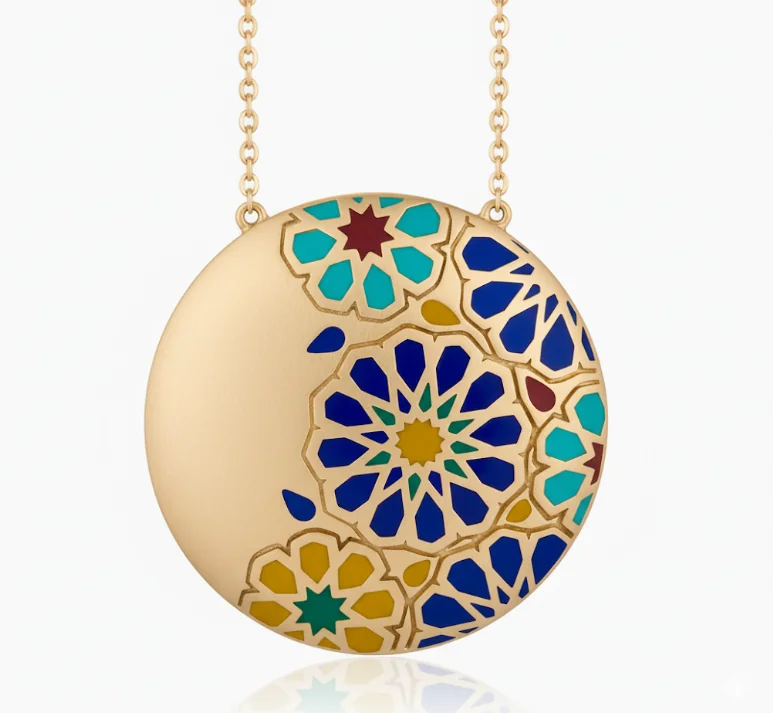
Star Harvest: Trusted Partner for High-Quality Jewelry Manufacturing
If your brand focuses on premium jewelry, enamel is the preferred choice. It offers unmatched vibrancy and craftsmanship, but achieving consistent, flawless results requires expert manufacturing support.
As a professional jewelry manufacturer, Star Harvest provides full OEM and ODM services for enamel-painted jewelry, delivering precise heat-fused finishes and consistent quality for each piece. We manage every stage of enamel jewelry production: precise temperature control ensures vibrant, consistent colors; thorough base preparation prevents bubbles or cracks; and meticulous layering guarantees perfectly aligned multi-layered enamel designs.
Reach out to Star Harvest to discuss your intricate enamel designs and start planning your premium collection.

