
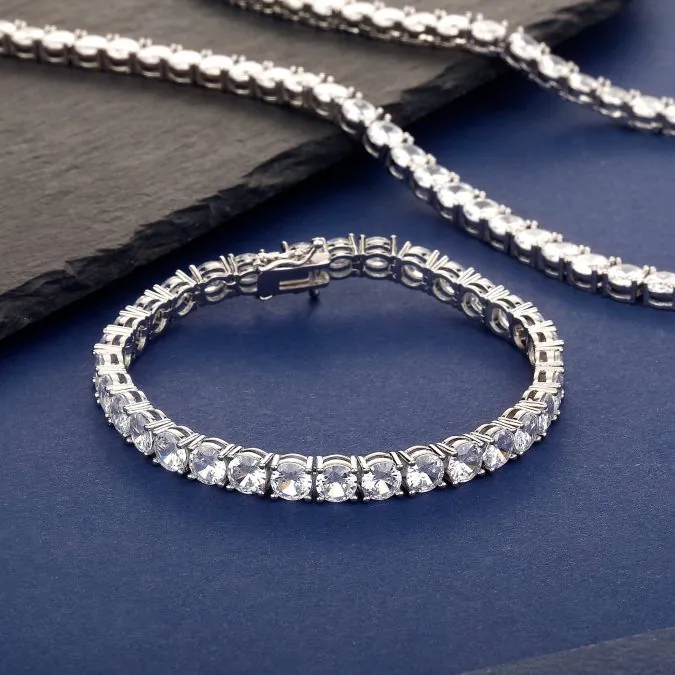
It’s not surprising that cubic zirconia and zircon often get mixed up. After all, their names sound almost identical. Many think they’re the same stone. Some even believe one is just a cheaper version.
The truth is, these two stones differ in origin, structure, and market suitability. Read on as this guide will clear up all the confusion.
An Overview of Zircon
Zircon is a naturally occurring gemstone formed within the Earth’s crust over millions of years. It has long held a place in gem history, but its use in modern jewelry is limited.
1. Naturally Mined Gemstone
Zircon is mined primarily in Australia and Cambodia. Each stone formed over geological time periods. Its origin gives it an authentic, earth-derived appeal.
2. Mainly Composed of Zirconium Silicate
Zircon’s chemical makeup is mainly zirconium silicate (ZrSiO4). The composition remains stable for millions of years.
3. Has a Mohs Scale of 6-7.5
Zircon measures between 6 and 7.5 on the Mohs hardness scale. It is a medium-hard gemstone.
4. Naturally-Occurring Radioactive Material
Most zircon contains trace radioactive elements including uranium and thorium.
5. Comes in Different Colors
Zircon shows up in many natural colors. However, achieving consistent color quality is challenging, as shades vary from stone to stone. Heat treatment can enhance or stabilize the color, but results are not always uniform.
6. Generally Not Used for Jewelry
Due to its moderate hardness and radiation concerns, zircon is less favored in mainstream jewelry production. It is typically reserved for collector or decorative pieces where natural authenticity outweighs wearability.
An Overview of Cubic Zirconia
Cubic zirconia (CZ) was developed in laboratories during the 1970s to emulate the look of diamonds. It offers consistency, safety, and broad creative flexibility for jewelry brands.
1. Man-Made Gemstone
Cubic zirconia is fully synthetic. This means uniform quality, clarity, and size availability, important factors for jewelry brands to maintain standardized collections.
2. Mainly Composed of Zirconium Dioxide
Unlike natural zircon, cubic zirconia mainly consists of zirconium dioxide(ZrO2).
3. Has a Mohs Scale of 8-8.5
Cubic zirconia rates 8 to 8.5 on the Mohs hardness scale. It resists scratches and retains polish well.
4. Extremely-Low Level Radiation
Cubic zirconia contains virtually no radioactive material. Any trace amounts present are far below safety concerns. This makes it much safer than natural zircon.
5. Come in Different Colors
Cubic zirconia can be made in almost any color. Clear stones that mimic diamonds are most common. Other varieties like pink, blue, and yellow are popular too.
6. Widely Used for Jewelry
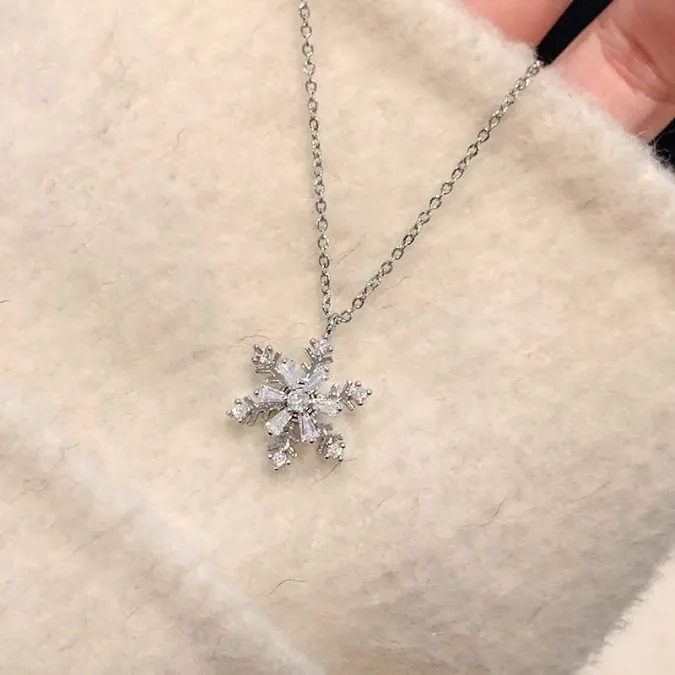
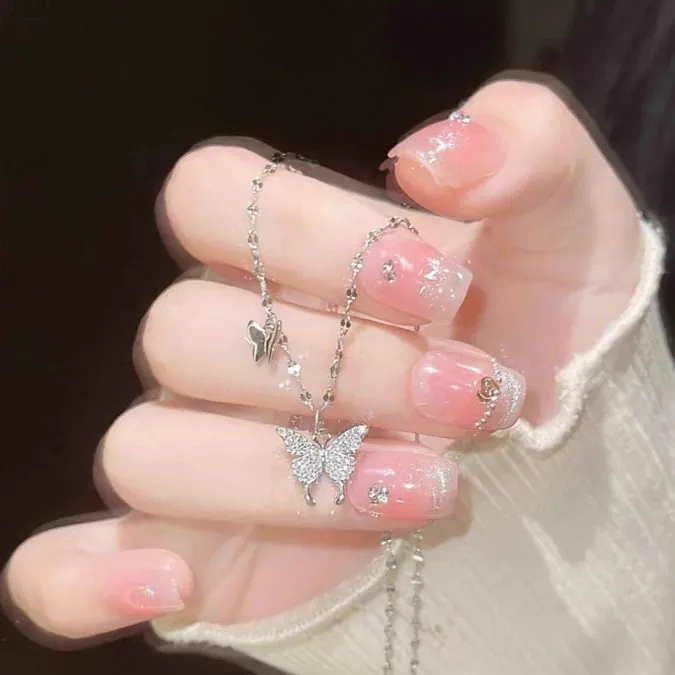
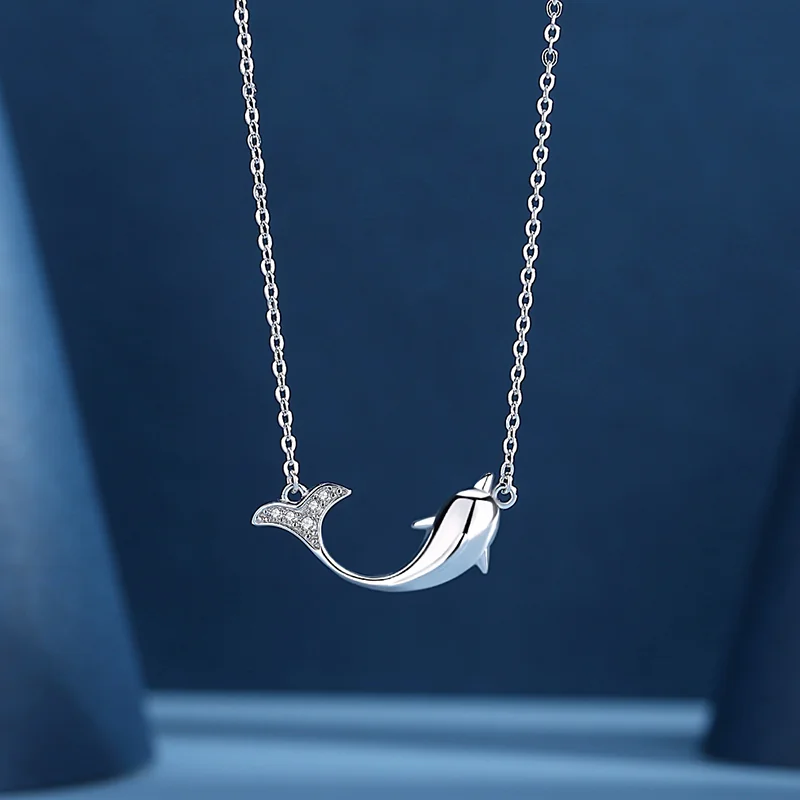
Cubic zirconia resists scratching, maintains its shine over time, and poses no safety concerns for wearers. Its affordability, brilliance, and size/color availability make this jewelry gemstone a go-to option for brands focusing on accessible or trend-driven jewelry collections. Check out these popular fashion cubic zirconia jewelry:
At Star Harvest, we collaborate with reliable cubic zirconia suppliers and have strong expertise in custom jewelry manufacturing. We maintain transparent, responsible manufacturing practices with a 97% on-time delivery rate and 100% inspection pass rate. Contact us to learn how Star Harvest can support your next cubic zirconia jewelry collection with high-quality materials and dependable craftsmanship.
The Comparison
The following cubic zirconia vs zircon table highlights how both stack up against each other:
| Property | Cubic Zirconia | Zircon |
| Origin | Lab-created | Natural |
| Composition | Zirconium dioxide | Zirconium silicate |
| Hardness (Mohs Scale) | 8-8.5 | 6-7.5 |
| Radioactivity | Extremely low | Natural content |
| Colors | Wide range | Limited natural |
| Jewelry use | Safe and common | Unsafe and rarely used |
| Cost | Low-moderate | Moderate-high |
Conclusion
Overall, cubic zirconia and zircon are fundamentally different despite their similar names. For jewelry brands, cubic zirconia is the more practical choice due to its durability, consistency, and safety. Understanding this distinction helps brands make smarter material selections that align with design goals, quality expectations, and customer trust.

