
At Star Harvest, we understand that in the world of jewelry, provenance and authenticity are currencies as valuable as the metals themselves. For medium-to-large scale jewelry brands and e-commerce platforms scaling their operations, understanding the history of craftsmanship is essential for curating respected collections. While our expertise lies in high-volume, precision OEM manufacturing, we deeply respect the artisanal roots of our industry. Today, we delve into a crucial aspect of jewelry history that defines value and heritage: native American jewelry hallmarks.
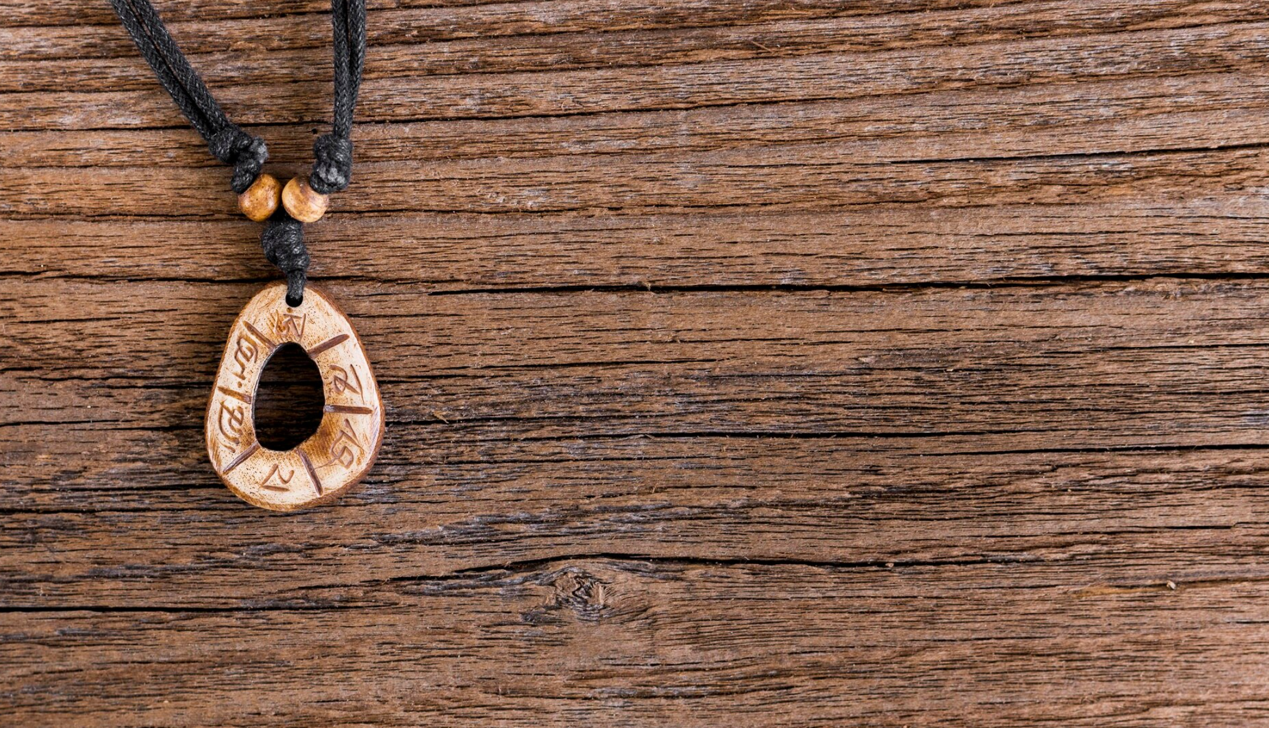
Copyright image from https://www.freepik.com/free-photo/top-view-pendant-with-copy-space_9469619.htm
Why Native American Jewelry Matters in Art History
The evolution of Southwest jewelry design since the mid-19th century marks a pivotal transformation from simple adornment to sophisticated cultural expression. For established brands, these traditions offer valuable insights into enduring aesthetics that influence modern trends. Unlike mass-market accessories, traditional pieces from tribes like the Navajo (Dinè), Zuni, and Hopi rely on generational knowledge and a mastery of silversmithing. This dedication to craft mirrors the precision essential in modern manufacturing.
In this context, native American jewelry hallmarks are guarantees of authenticity rather than mere signatures. Much like a modern ISO certification, these marks verify the maker’s identity, tribal affiliation, and material integrity. For procurement managers, understanding these hallmarks serves as a crucial first line of defense against misrepresentation in the secondary market.
A Brief History of Native American Jewelry
1. Early Tradition
Long before the introduction of metallurgy, Indigenous peoples of the Southwest utilized materials sourced from the earth. Turquoise, shell, and jet were ground and polished into beads and pendants. This foundational period established the aesthetic preferences—specifically the reverence for turquoise—that would later define the silver era.
2. 19th Century
The turning point occurred in the 1850s and 60s. The Navajo were the first to adopt silversmithing, with Atsidi Sani recognized as the first Navajo silversmith, having learned the trade from Mexican smith Nakai Tsosi. By 1872, this knowledge was shared with the Zuni tribe, specifically the silversmith Lanyade. This era marked the birth of the heavy, hammered silver styles that are iconic today.
3. 20th Century
By 1940, professional silversmithing had permeated most Pueblos and tribes in New Mexico. The mid-20th century saw a divergence in styles, with the Hopi developing their distinct overlay techniques around 1940. This period solidified jewelry making not just as a trade, but as a vehicle for cultural resistance and continuity.
What Are Native American Jewelry Hallmarks?
To accurately identify native American jewelry hallmarks, one must distinguish between a style and a mark. A hallmark is a physical stamp impressed into the metal. Before the 1970s, hallmarks were not universally used; however, as the market expanded, so did the need for artist identification. A hallmark can be a simple initial, a full signature, or a complex pictograph.
Hallmarks serve as the artist’s warranty. They range from the artist’s initials to symbols representing their clan or nature. It is common for prolific artists to have used multiple different hallmarks throughout their careers as stamps wore out or their styles evolved.
Copyright image from https://www.freepik.com/free-photo/close-up-person-working-dreamcatcher_22894168.htm
Common Styles Across Tribes
Understanding the stylistic differences is crucial when analyzing native American hallmarks on jewelry, as the mark should correlate with the technique used.
1. Navajo (Dinè) Style Characteristics
Navajo jewelry is renowned for its substantial weight and focus on the silver itself.
- Technique: Heavy hand-hammering, sandcasting, and tufa stone casting are prevalent.
- Philosophy: Designs are often non-figurative, focusing on balance and harmony (“Hózhó”).
- Iconic Piece: The “Squash Blossom” necklace, featuring a crescent “Naja” pendant, is the definitive Navajo masterpiece. Interestingly, the “squash blossom” design likely references the pomegranate or the flowering squash (Cucurbita maxima).
2. Hopi Overlay Silversmithing Techniques
The Hopi style is defined by the “Overlay” technique, perfected by artists like Paul Saufkie and Fred Kabotie.
- Technique: Two sheets of silver are soldered together. The top sheet has a design cut out of it (negative space), while the bottom sheet is oxidized (darkened) and textured. This creates a striking depth and contrast without the heavy use of stones.
3. Zuni Jewelry and Intricate Stone Inlay
Zuni artistry focuses heavily on stonework rather than plain silver.
- Technique: They are masters of Clusterwork, Needlepoint, and Petit Point (tear-drop shaped stones).
- Aesthetics: The Zuni philosophy of “tso’ya” emphasizes multi-colored, dynamic arrangements. They utilize turquoise, coral, jet, and Mother of Pearl to create intricate mosaics.
Examples of Common Native American Hallmarks
1. Initials and Monograms
The most frequent symbol native American jewelry hallmarks utilize are simple alphanumeric characters. For example, a stamped “R.B.” or “J.Doe” usually correlates to specific family lines known for silversmithing.
2. Symbol-Based Hallmarks
Many artists use pictographs that hold personal or cultural significance.
- Nature Symbols: Rain clouds, suns, or animal tracks.
- Example: Orville Tsinnie was known for using a hallmark that included the shape of the Shiprock formation, grounding his work in his geography.
3. Guild or Trading Post Marks
In addition to individual artist marks, you may encounter shop marks or guild stamps (like the IACA logo) which certify that the piece was sold through a reputable trading post or association dedicated to authentic Native arts.
How to Identify Authentic Native American Hallmarks
1. Examining Craftsmanship Techniques
To identify native American jewelry hallmarks correctly, inspect the build quality. Authentic pieces show signs of hand-fabrication. In casting, look for the grain of the tufa stone. in inlay, look for the precision of the stone cutting.
2. Comparing Hallmarks with Verified Databases
Professionals rely on resources like Hallmarks of the Southwest or online databases to cross-reference marks. If you find a “Yazzie” signature (a famous family name) on a piece that looks mass-produced, further investigation is required.
3. Warning Signs of Non-Authentic or Mass-Produced Items
- Materials: Authentic traditional pieces are Sterling Silver. If you see brass or copper base metals (unless explicitly an artistic choice by a modern artist), it is likely a mass-market imitation.
- Uniformity: If you see ten items with the exact same turquoise matrix pattern, they are likely block-molded plastic, not natural stone.
- Finish: A rough, unpolished back often indicates hasty mass production.
Cultural Integrity and Legal Compliance
It is vital to mention the Indian Arts and Crafts Act (IACA) of 1990. This federal law prohibits misrepresenting products as “Native American” unless made by an enrolled member of a recognized tribe. At Star Harvest, we adhere to strict ethical standards. We deeply respect this legislation and the cultural heritage it protects. Therefore, we do not produce imitation Native American artifacts. Instead, we channel the spirit of dedication found in these traditions into our own specific domain: modern, scalable manufacturing.
About Star Harvest Jewelry Manufacturing
While the history of Native American jewelry inspires us with its dedication to craft, Star Harvest operates at the forefront of modern jewelry manufacturing for global brands. We do not sell retail or trade in antique artifacts; we are your strategic partner for scalable, high-quality OEM/ODM production.
Precision Manufacturing for Growing Brands
Established in 2005, Star Harvest brings over 20 years of experience to the B2B sector. We specialize in 925 Silver, Brass, and Stainless Steel jewelry.
- Certified Quality: We are an RJC, SGS, and ISO 9001 certified manufacturer. Our facility undergoes rigorous annual audits to ensure ethical and technical compliance.
- Innovation: We develop 500-700 new designs monthly, supported by 7 proprietary electroplating patents.
- Reliability: With a 97% on-time delivery rate and a 97% production qualification rate, we provide the stability large e-commerce brands require.
Your Partner in Scale
Whether you require complex stone setting reminiscent of precision or modern minimalist metalwork, our diverse production lines utilize advanced CAD drawing (1:1 restoration) and rapid prototyping (7-day turnaround) to bring your vision to market.
For brands looking to create their own legacy with a reliable manufacturing partner, Star Harvest delivers the quality your customers demand. Contact our Engineering Team for a Quote.
References
[1] https://consumer.ftc.gov/node/78354
[2] https://www.medicinemangallery.com/collections/identify-native-american-indian-jewelry-hallmarks
[3] https://shareok.org/server/api/core/bitstreams/cc46af75-8bca-4625-a733-e264e3439183/content
[4] https://turquoisetraders.com/blogs/perry-null-trading/native-american-hallmarks
[5] https://turquoisevillage.com/pages/native-american-jewelry-style-guide
[6] https://welcomenativespirit.com/blogs/news/symbolism
[7] https://www.doi.gov/iacb/act
[8] https://static1.squarespace.com/static/56e89d039f7266c5a6811f78/t/5748ba4f27d4bdfe2290ef42/1464384082397/ATADA-News-4-152016.pdf