

The lariat necklace has secured its place as a staple of modern minimalism. With its clean lines, adjustable silhouettes, and distinct lack of a traditional clasp, it embodies the concept of “fluid jewelry.”
However, the apparent simplicity of a lariat necklace is deceptive. For jewelry brands, this category presents a unique set of technical challenges that are often underestimated.
This article explores the critical design details that distinguish a high-performing long lariat necklace from a market failure, and how precision manufacturing elevates the final product.
Critical Design Details of Lariat Necklaces
A lariat is a sophisticated mechanical system. If the chain is too slick, the necklace won’t hold its shape. If the drop is too heavy, it creates a “choking” effect. Below are the specific design details that brands must address during the jewelry customization phase.
1. Sliding Performance
The defining feature of many lariats is the ability to adjust the drop length. This requires a sliding mechanism—often a silicone-lined bead or a friction-based pass-through loop—that offers the perfect amount of resistance.
The Problem: Poorly engineered sliders are either too tight, stripping the plating off the chain after a few uses, or too loose, causing the necklace to slip out of position constantly.
The Solution: The inner diameter of the slider component must be calibrated to within 0.05mm of the chain’s thickness. For German consumers who value durability, the mechanism must be tested for thousands of slide cycles to ensure it retains its grip without damaging the chain’s finish.
2. Weight Distribution
A common complaint with the long lariat necklace is that it migrates during wear, eventually rotating until the counterweight falls off the shoulder or the loop tightens uncomfortably around the neck.
The Problem: Brands often design the “drop” element (the decorative end) to be visually substantial but fail to counterbalance it effectively against the neck chain.
The Solution: Precise weight ratios are required. The “anchor” portion of the chain resting on the back of the neck needs distinct texturing or slightly increased weight to create friction against the skin, preventing unwanted rotation.
3. Drop Length
In the jewelry industry, one size rarely fits all, especially with lariats. The drop length must be proportional to the torso.
The Problem: A standard 18-inch chain design cannot simply be converted into a lariat. If the drop is too long, it interferes with movement; if too short, it loses the characteristic “Y” silhouette.
The Solution: Offering adjustable connection points or engineering a “stopper” mechanism allows the wearer to define the maximum drop length. This ensures the piece remains elegant rather than cumbersome.
4. Pendant Compatibility and Chain Fluidity
The type of lariat chain selected dictates the movement of the piece. Snake chains and box chains are popular for their sleek look, but they have different bend radii.
The Problem: Stiff chains create awkward kinks where the lariat loops, ruining the fluid aesthetic. Furthermore, heavy pendants on delicate chains can cause elongation or snapping at the stress point where the chain loops over itself.
The Solution: Utilizing high-tensile strength chains with a fluid drape is essential. The chain links must be soldered to prevent snagging on the sliding mechanism or the wearer’s clothing.
5. Finishing Touches
Since lariats involve metal rubbing against metal (or silicone), the plating is under constant stress. Standard plating often wears off at the friction points within weeks.
The Problem: Visible base metal at the adjustment point screams low quality and damages brand reputation.
The Solution: Advanced PVD or electroplating is non-negotiable for longevity, particularly for the friction-heavy zones of a lariat.
6. Wearable Comfort
Germany has strict regulations regarding nickel release (REACH compliance).
The Problem: High-friction areas on a lariat can abrade protective coatings, potentially exposing the skin to nickel if the base layers aren’t compliant.
The Solution: Using exclusively non-nickel-based plating underlayers ensures that even with heavy wear, the product remains hypoallergenic and compliant with EU standards.
7. Jewelry Sustainability
With the rise of conscious consumerism and regulations like the LkSG, the origin of materials is just as important as the aesthetic.
The Problem: A lariat made from materials of dubious origin or through exploitative labor practices poses a severe risk to a brand’s image.
The Solution: Brands must prioritize ethical sourcing. Manufacturers must provide transparency regarding their raw material procurement and adhere to social compliance audits (such as BSCI) to prove that the jewelry is produced in safe, fair working conditions.
Simplicity Is Complex
The lariat necklace’s simplicity is misleading. It is the invisible details that determine durability and wearability. For established brands, partnering with a manufacturer that understands these nuances is critical to protecting long-term brand reputation.
Star Harvest: Precision Engineering for Jewelry Brands
For brands looking to master the technical nuances of the lariat necklace, Star Harvest offers more than just manufacturing; we offer precision jewelry engineering.
Why Leading Brands Choose Star Harvest:
- Advanced Structural Engineering:We don’t just cast metal; we calculate friction coefficients and weight distribution. Our engineering team ensures your lariats offer optimal sliding performance without compromising the chain’s integrity.
- Professional Design Support:Our 3D design team provides critical insights on drop length ratios and pendant compatibility, helping you avoid common design pitfalls before prototyping begins.
- Superior Surface Technology:We utilize independently developed electroplating process patents and PVD technology. Our color retention can reach over 3 years, ensuring your lariat chain withstands the friction of daily adjustment.
- Compliance and Safety:We strictly adhere to EU REACH standards. Our plating is nickel-free, maximizing wearable comfort and safety for sensitive skin.
- German-Standard Quality Control:Equipped with German precision testing equipment, we maintain a yield rate above 99%.
- Sustainable Manufacturing:We support ethical sourcing and material compliance, aligning your brand with the high sustainability expectations of the German market.
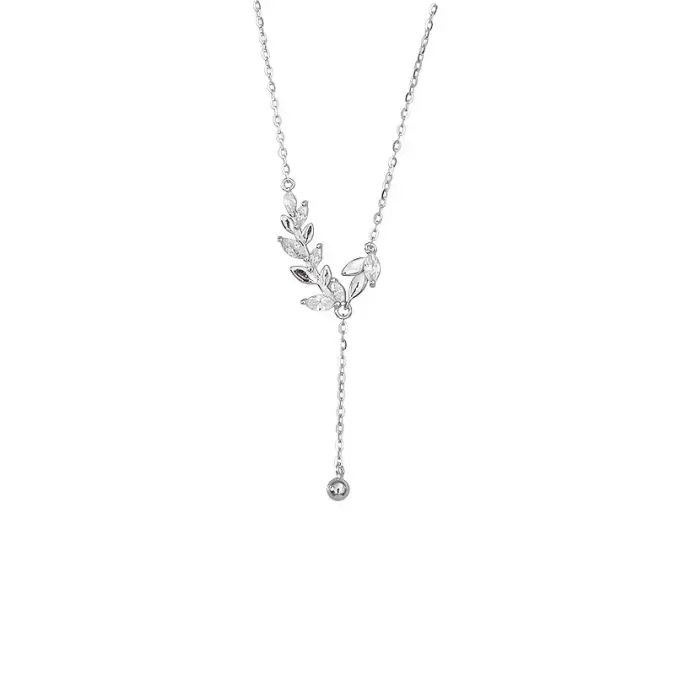
Star Harvest transforms complex design challenges into effortless luxury. Let us help you build a product line that stands the test of time.

