
Demand for textured and hand-crafted aesthetics is rising across the U.S. jewelry market, pushing brands to look for design methods that feel artisanal while still supporting commercial growth.
Next-generation sand cast jewelry fits this shift by offering creative and technical possibilities that traditional casting methods could not provide. These capabilities make sand casting an increasingly practical option for design teams, sourcing teams, and production teams that want both distinct visual identity and operational efficiency.
But what exactly is sand casting? Let’s see:
Definition of sand casting
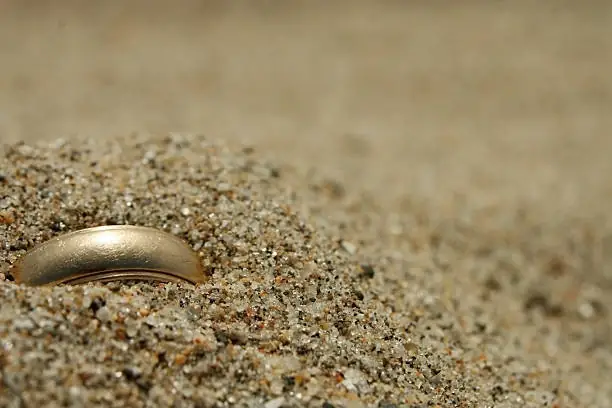
Sand casting is an industrial process that forms metal objects by pressing a model into compacted sand to create a mold. The mold captures fine details from the model, and it also transfers the natural grain of the sand into the metal once it is poured. This combination of mold creation, texture transfer, and controlled metal flow produces the distinctive surface identity that sand cast jewelry is known for.
Overview of the basic process steps
Here is how the process looks:
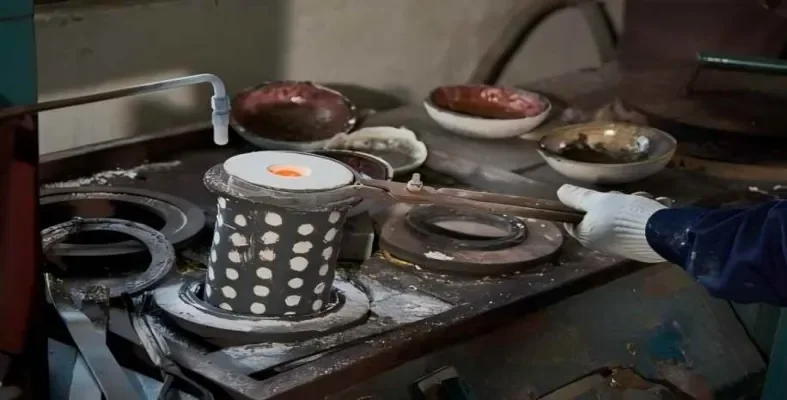
- Molten metal is poured into the cavity and allowed to fill every contour.
- The mold is opened once the metal solidifies and the raw casting is removed.
- Finishing begins, where excess material is trimmed, and the surface is refined while preserving texture.
Sand casting naturally creates organic and textured surfaces because the sand mold leaves its imprint on the metal during the cooling phase. The result is a surface that feels tactile and intentionally unpolished, giving each piece a sense of depth and character. Even after finishing, traces of the original texture remain and become part of the design.
New Creative Directions Enabled by Modern Sand Casting
Modern sand casting for jewelry manufacturing gives designers access to stronger textures and deeper surface expression than highly polished methods typically allow. The process captures irregularities, subtle relief, and tactile patterns that help a collection feel more crafted and visually distinct.
Brands often showcase these qualities in pieces such as a sandcast ring, where texture and depth are central to the overall look, and the same approach works across pendants, bracelets, and other jewelry sand casting supplies.
Sand casting also supports fast experimentation. Teams can test forms, adjust depth, and explore sculptural ideas without committing to heavy tooling. This keeps development costs low while giving brands room to try bolder shapes and surface profiles.
Efficiency and Consistency: Meeting the Demands of Growth-Stage Brands
As jewelry brands expand their SKU count, they need a production method that delivers both artistic value and reliable output. Sand casting meets this need by offering a balance between expressive design and scalable manufacturing.
Modern sand casting processes provide steady batch-to-batch consistency, which is essential when collections require multiple size runs or coordinated sets.
Development cycles are also shorter using the sand casting method because molds can be produced and adjusted quickly, allowing brands to move from concept to sample with fewer delays.
Using sand casting technique, finishing work is also lighter compared with highly polished methods, yet the final pieces retain their textured identity.
Sustainability and Material Stewardship in Modern Sand Cast Jewelry
Sustainability has become a core expectation in the U.S. jewelry market, shaped by both consumer preferences and tightening regulations. Modern sand casting fits naturally into this shift because the process minimizes waste and uses resources efficiently.
Material loss is low since excess metal can be collected and recycled back into production. The sand used for molds can be reused multiple times, which reduces reliance on new raw materials. The overall process also requires fewer resources compared with methods that depend heavily on complex tooling or intensive finishing.
How U.S. Jewelry Brands Can Integrate Sand Cast Jewelry Into Product Strategy
Sand cast jewelry gives jewelry brands a practical way to add depth and variety to their collections without committing to heavy tooling or long development cycles. Here is how different teams benefit from using this technology:
For Design Teams
Designers can use sand casting to expand collections with pieces that feel tactile, expressive, and intentionally crafted. The method allows them to test bolder forms, deeper reliefs, and organic surfaces in small batches, making it easier to experiment without large upfront investments or long prototype cycles.
For Sourcing and Operations Teams
Sourcing and operational teams can apply sand casting to create mid-tier and premium SKUs that require a strong visual identity while maintaining consistent production quality. It also works well for capsule collections or seasonal releases where fast turnaround and differentiated surfaces give brands an edge in competitive jewelry markets.
Wrapping-Up
As more U.S. brands adopt sand cast jewelry to expand their textured, artisanal collections, the role of a dependable manufacturing partner becomes especially important.
With two decades of experience in brass and stainless steel manufacturing, Star Harvest offers a combination of engineering capability, rapid sampling, and strict quality control that aligns with the expectations of jewelry brands. Our development teams release hundreds of new models each month, while the laboratory-level testing and multi-step inspections keep defect rates extremely low. This gives design, sourcing, and operations teams the confidence to scale collections without sacrificing detail, texture, or consistency.