القائمة
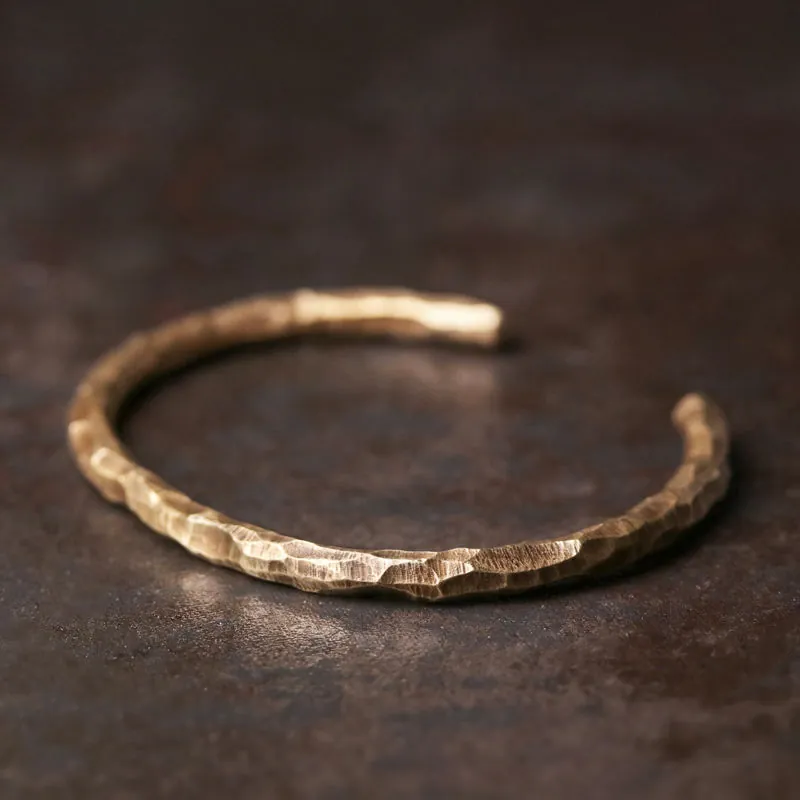
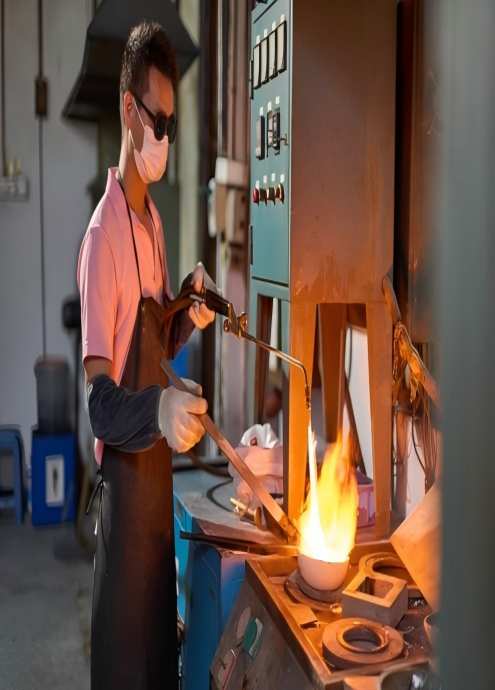
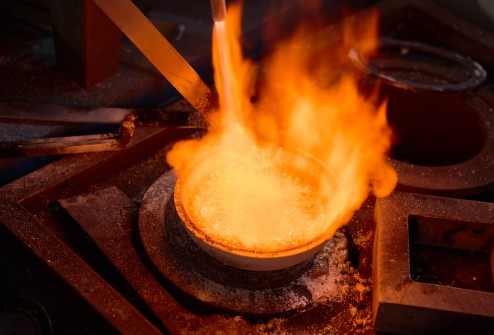
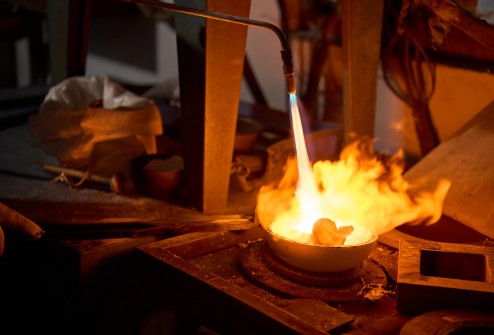
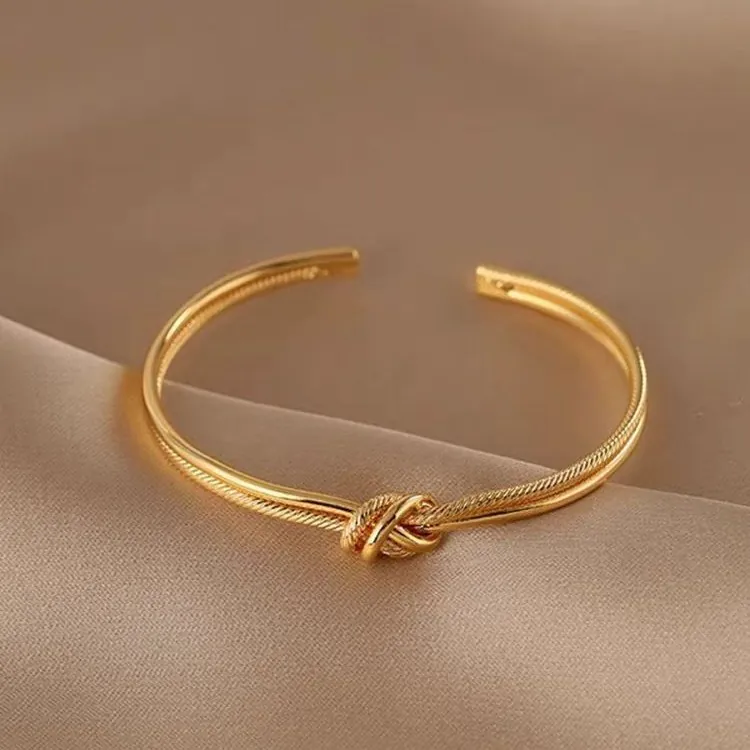
مع ما يقرب من 20 عامًا من الخبرة في تصنيع المجوهرات من النحاس والفولاذ المقاوم للصدأ، نُمكّن تكرار العلامة التجارية من خلال قدرات عملية الدقة الكاملة لدينا: من تطوير قوالب بدقة مستوى المليمتر، وصب مركب متعدد المواد، إلى الطلاء بالفراغ الخالي من العيوب وتقنية الطلاء المضاد للحساسية، إلى النقش بالليزر، وترصيع الأحجار الدقيقة وغيرها من العمليات المعقدة - بالاعتماد على أكثر من 3000 قاعدة بيانات عملية ناضجة وأنظمة إنتاج معيارية لضمان تحقيق تصميمك بشكل مثالي من الرسومات إلى الإنتاج الضخم
صنع القالب هو الخطوة الأولى في تصنيع المجوهرات، والتي تؤثر بشكل مباشر على دقة المنتج وكفاءة الإنتاج اللاحقة. نحن نستخدم تقنية قوالب السيليكون عالية المرونة لتكرار تفاصيل التصميم المعقدة بشكل مثالي وتوفير قوالب إنتاج مستقرة ودائمة لمجوهرات النحاس والفولاذ المقاوم للصدأ.
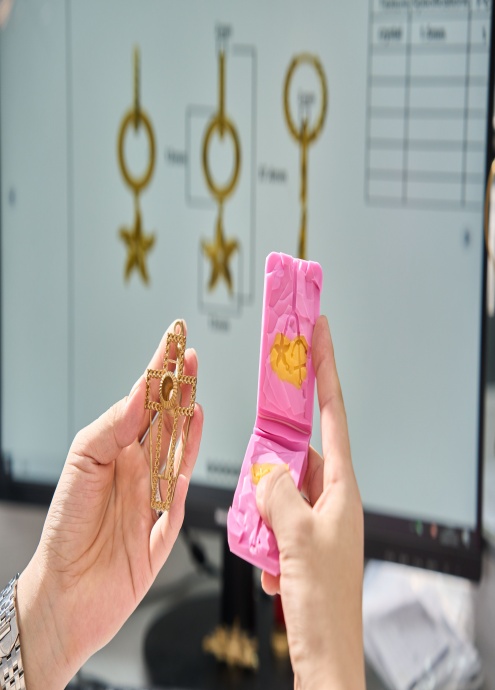
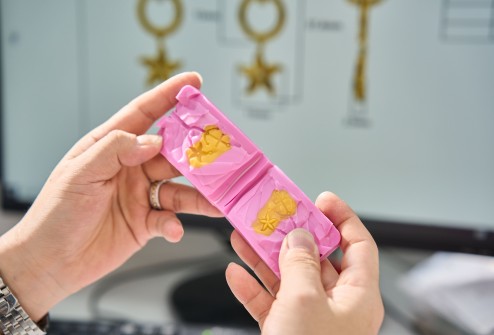
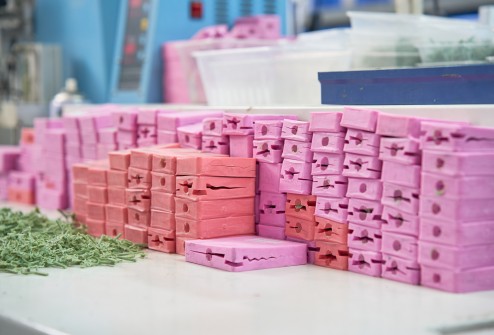
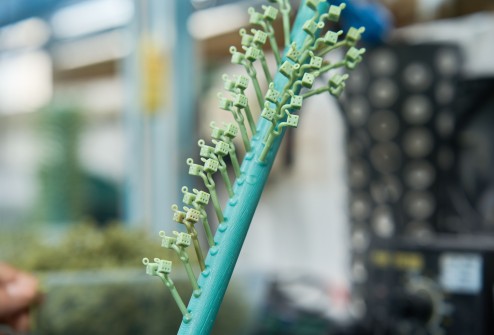
حقن الشمع هو خطوة رئيسية لحقن الشمع السائل في القالب المطاطي لتشكيل قالب شمع عالي الدقة. تؤثر هذه العملية بشكل مباشر على استعادة التفاصيل وتشطيب السطح للمجوهرات النهائية، وهي مناسبة لاحتياجات الصب الدقيق لمجوهرات النحاس والفولاذ المقاوم للصدأ.
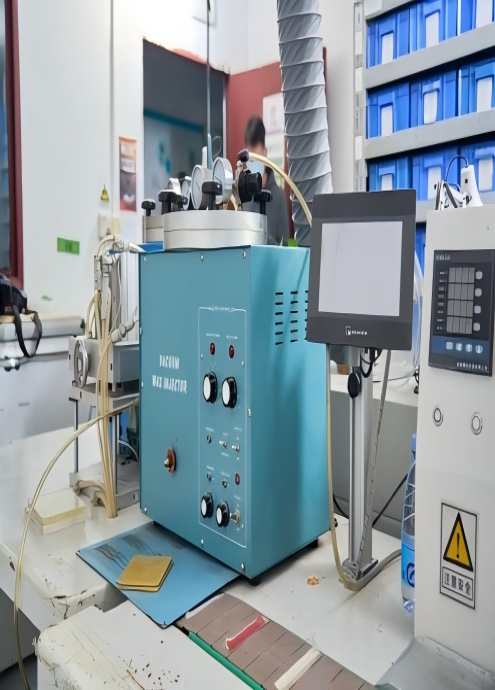
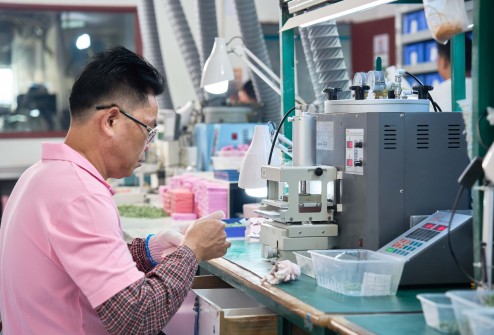
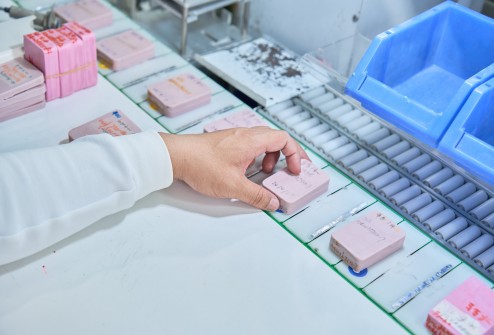
التشميع هو خطوة رئيسية في التشطيب الدقيق لنماذج الشمع لضمان تشطيب السطح وسلامة الهيكل للمجوهرات النهائية. هذه العملية مناسبة للإنتاج الضخم لمجوهرات النحاس والفولاذ المقاوم للصدأ عالية الدقة، ويمكنها التعامل مع تصاميم معقدة مثل التجويف، والخطوط الدقيقة، والأسطح المنحنية.
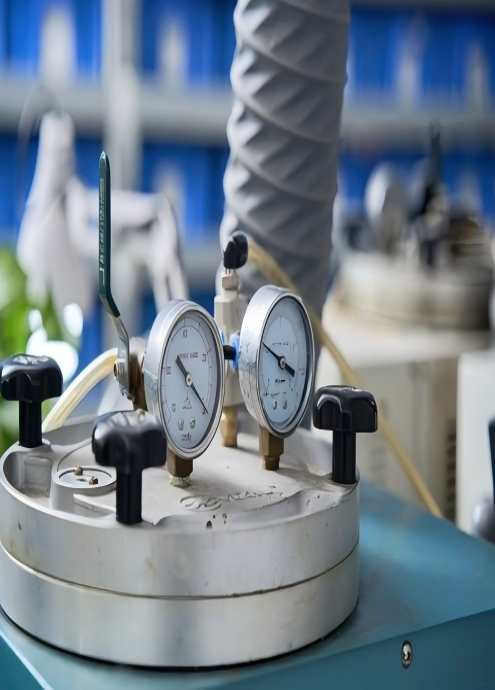
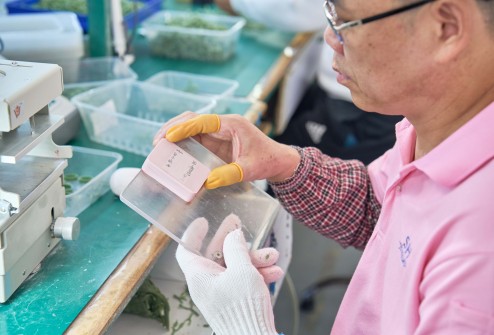
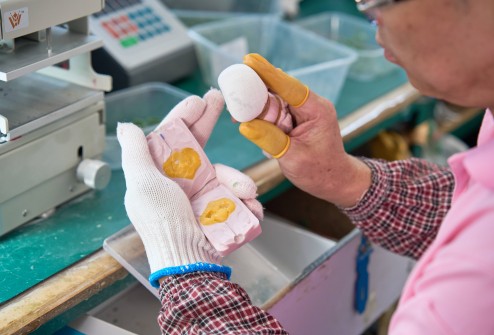
عملية الجص (صنع قوالب الجص) هي العملية الأساسية لتثبيت قالب الشمع المكتمل في مزيج جبس خاص لتشكيل قالب صب مقاوم لدرجات الحرارة العالية. تحدد هذه العملية بشكل مباشر تأثير ملء السائل المعدني ودقة سطح المنتج النهائي، وهي مناسبة لاحتياجات الصب الدقيق لمجوهرات النحاس والفولاذ المقاوم للصدأ.
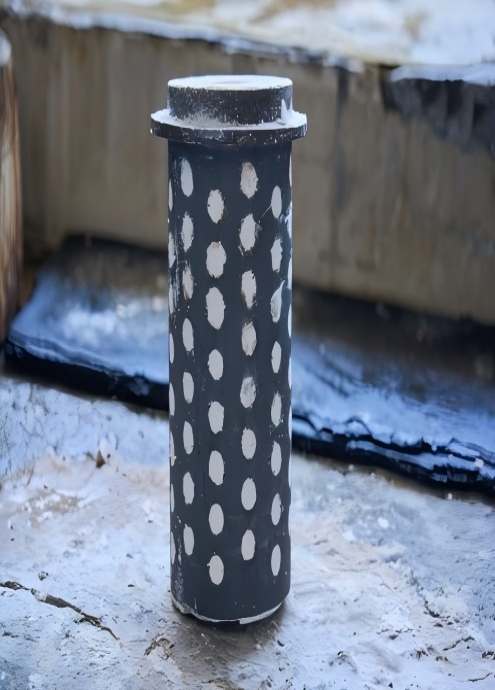
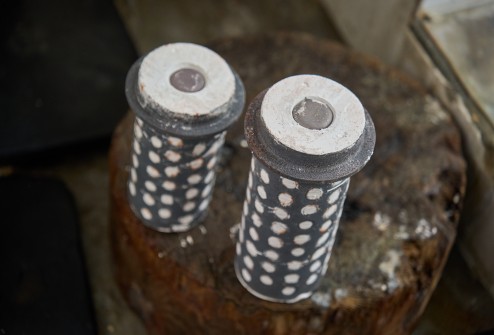
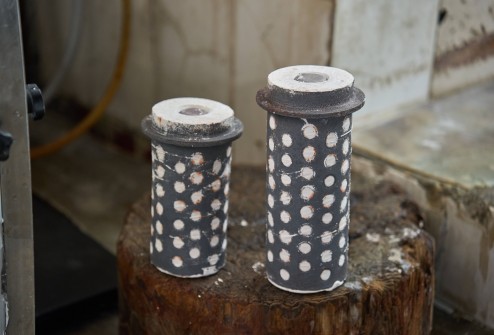
صب الرمل هو عملية تصنيع المجوهرات الصغيرة والمتوسطة الحجم التي تستخدم قوالب رملية لتشكيل المجوهرات. إنها مناسبة للإنتاج الضخم لمجوهرات سبائك النحاس والفولاذ المقاوم للصدأ. تتميز هذه العملية بتكلفتها المنخفضة وسرعة دوران القوالب، وهي مناسبة بشكل خاص للمنتجات ذات الأنماط الوعرة أو القديمة.
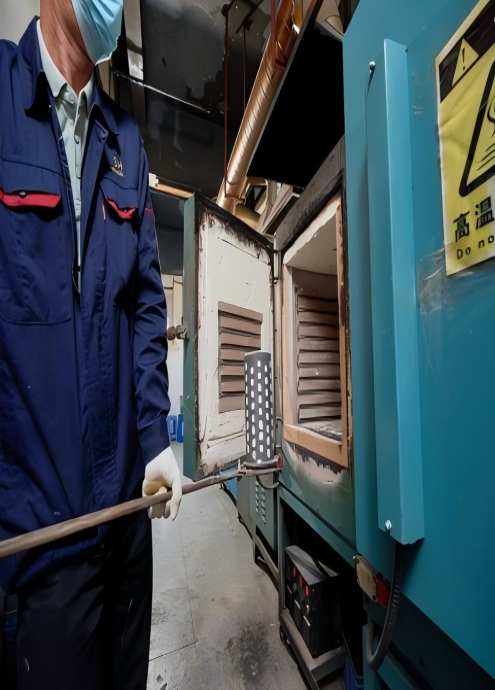
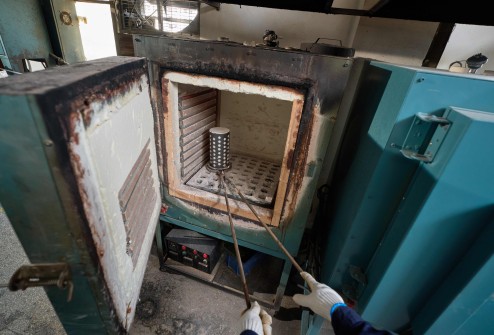
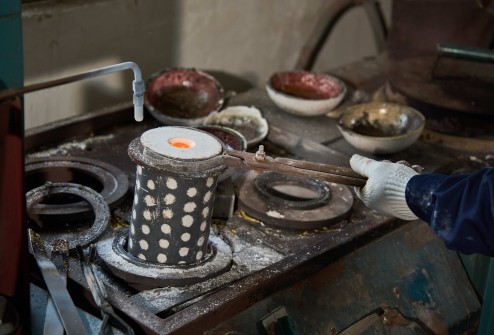
إزالة الشمع هي خطوة رئيسية في صب الشمع المفقود، والتي تؤثر بشكل مباشر على جودة السطح واستعادة التفاصيل للصب. يتم إزالة نموذج الشمع من خلال التحكم الدقيق في درجة الحرارة لتوفير تجويف نظيف لصب المعدن لاحقًا.
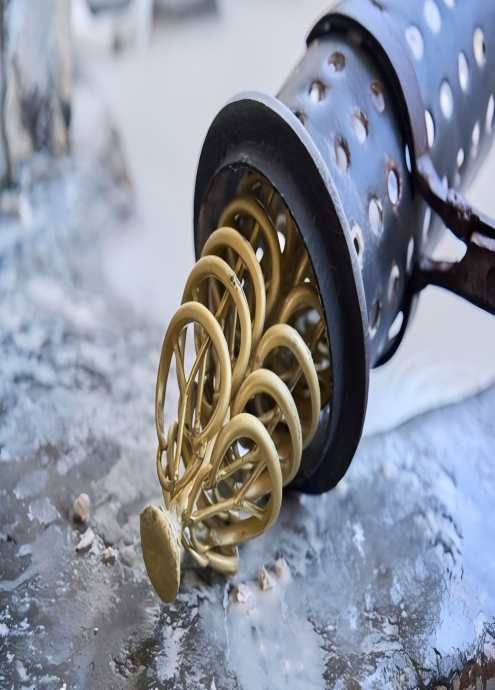
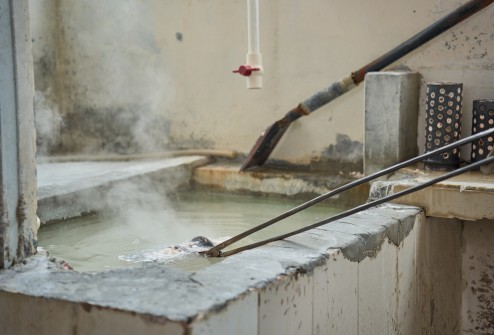
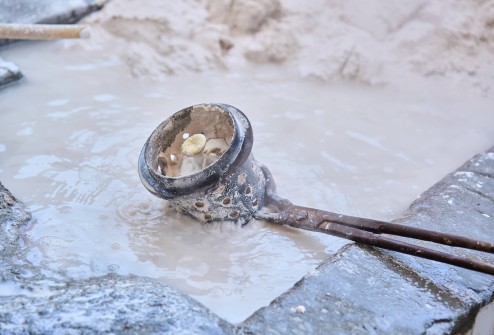
صنع القالب هو الخطوة الأولى في تصنيع المجوهرات، والتي تؤثر بشكل مباشر على دقة المنتج وكفاءة الإنتاج اللاحقة. نحن نستخدم تقنية قوالب السيليكون عالية المرونة لتكرار تفاصيل التصميم المعقدة بشكل مثالي وتوفير قوالب إنتاج مستقرة ودائمة لمجوهرات النحاس والفولاذ المقاوم للصدأ.
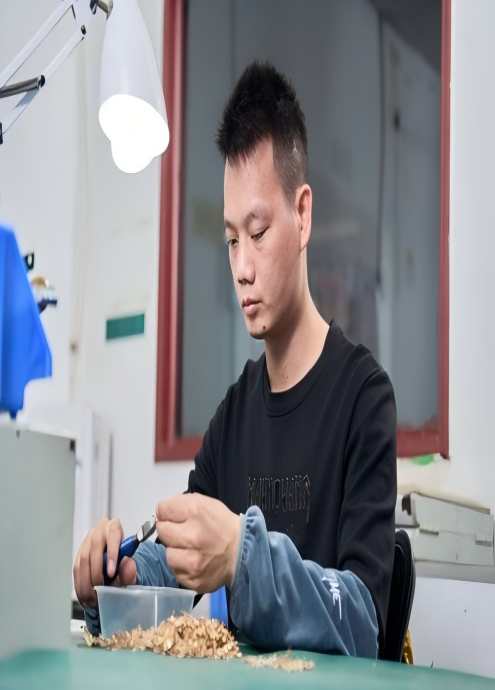
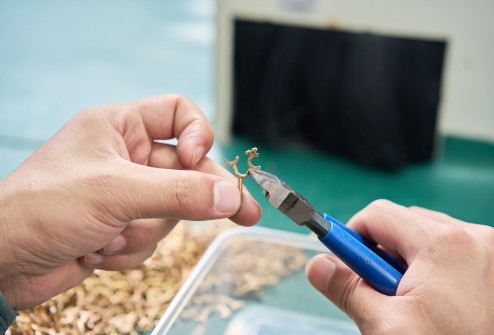
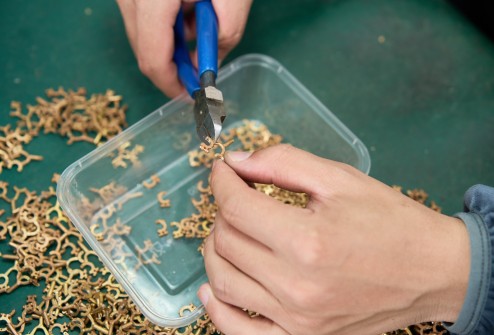
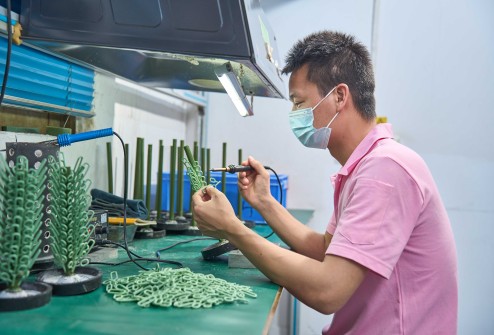
عملية التجميع هي المرحلة النهائية من إنتاج المجوهرات، والتي تؤثر بشكل مباشر على سلامة وراحة ارتداء المنتج النهائي. هذه العملية مناسبة للعمليات الرئيسية مثل ربط المكونات، والتثبيت، والتجميع بعد تلميع مجوهرات النحاس/الفولاذ المقاوم للصدأ لضمان أن المنتج يلبي معايير الجودة للعلامة التجارية.
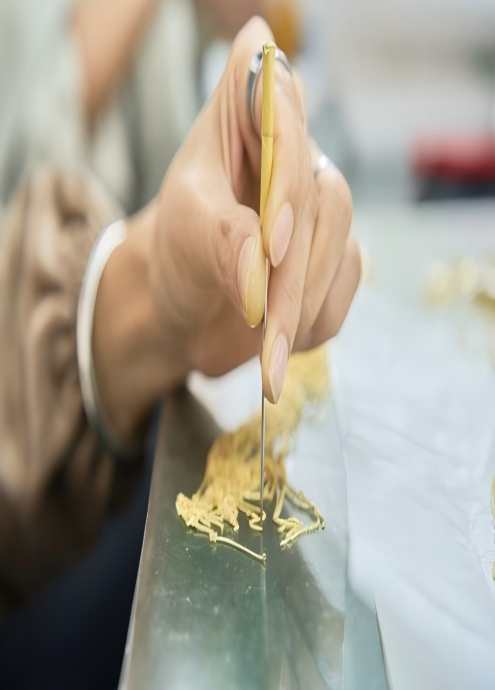
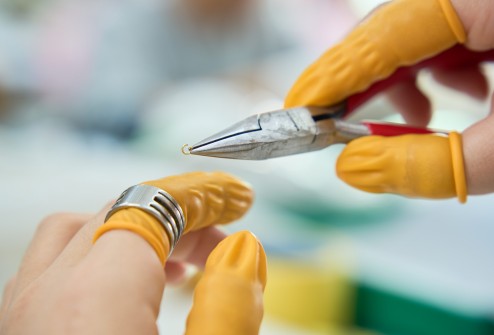
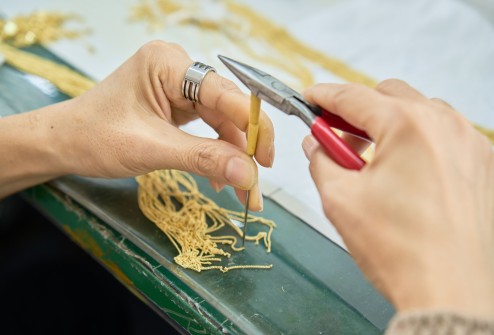
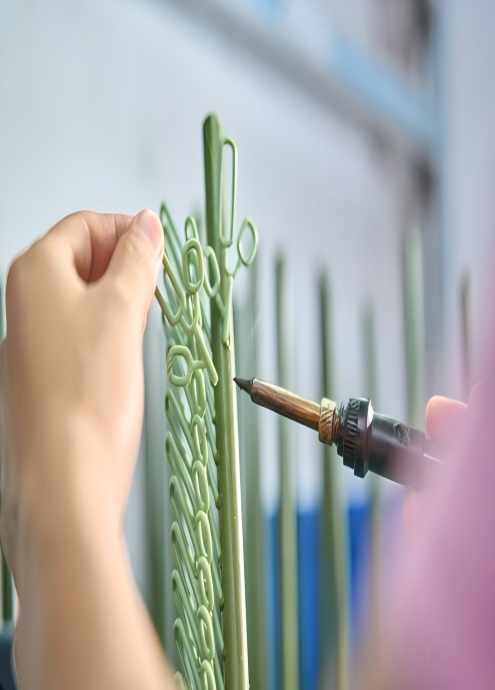
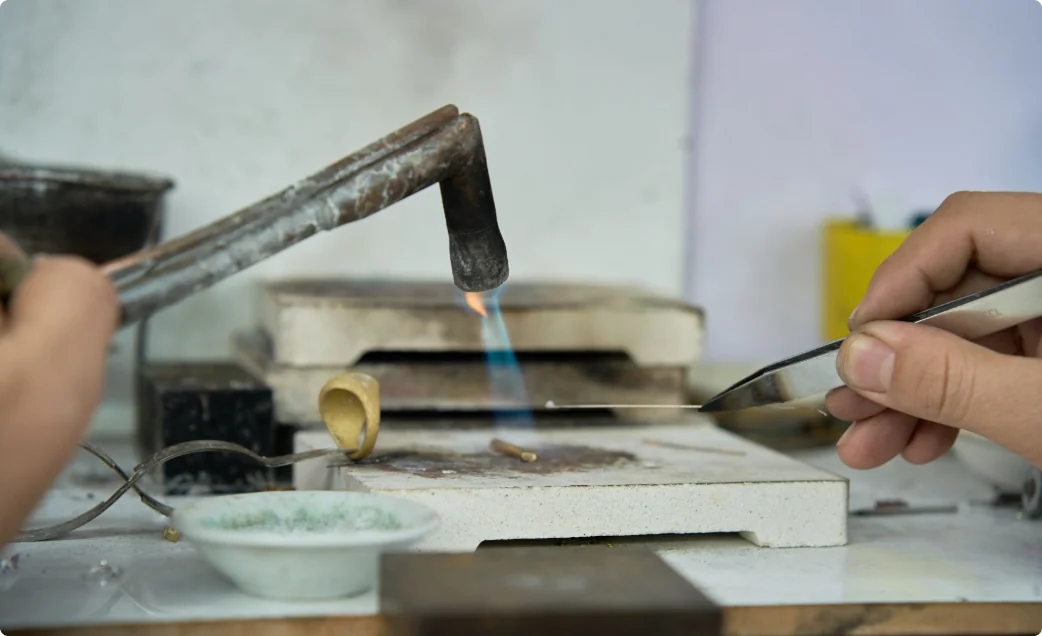
اللحام والتلحيم هي عملية رئيسية لربط الأجزاء المعدنية في تصنيع المجوهرات، والتي تؤثر بشكل مباشر على متانة وسلامة مظهر المنتج. إنها مناسبة للحام الدقيق لمجوهرات النحاس والفولاذ المقاوم للصدأ لضمان عدم وجود وصلة لحام باردة، أو تغير لون، أو تدفق لحام في الوصلة.
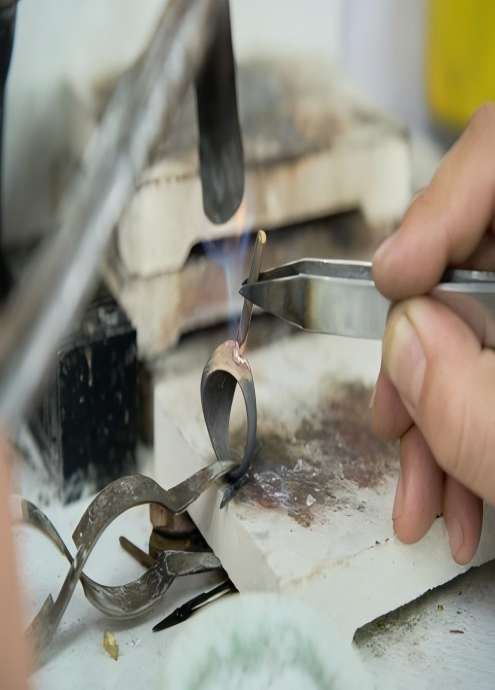
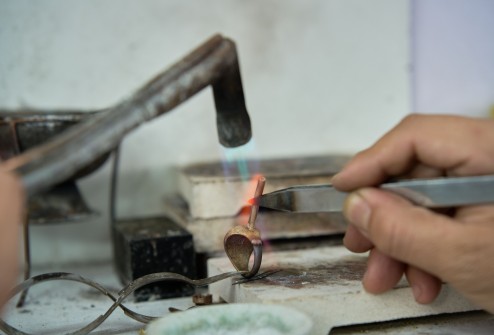
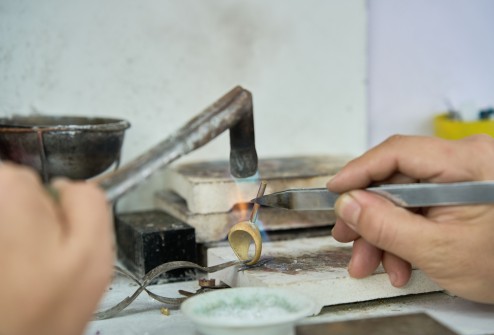
التشكيل والتشكيل هو عملية رئيسية لضمان أن المجوهرات النهائية تلبي الحجم المصمم وتكون مريحة للارتداء. إنها مناسبة لتعديل الانحناء، وتصحيح الهيكل، وتحسين السطح لمجوهرات النحاس والفولاذ المقاوم للصدأ لتجنب خطر الكسر الناتج عن التشوه أو تركيز الإجهاد.
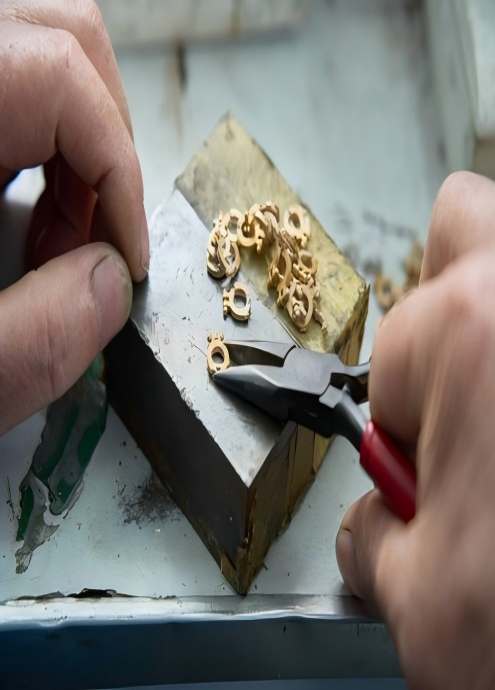
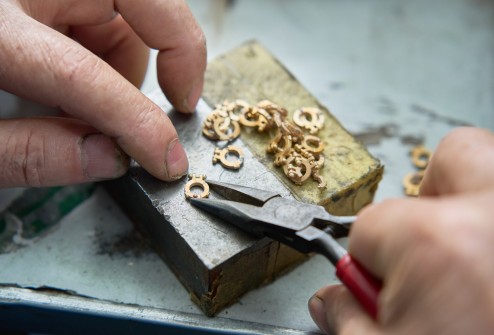
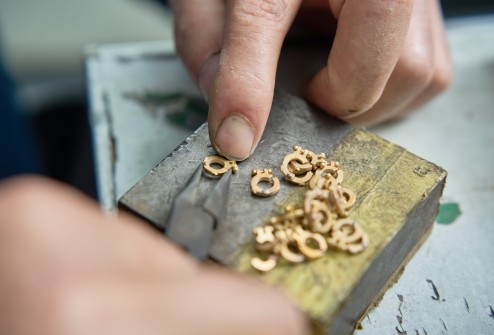
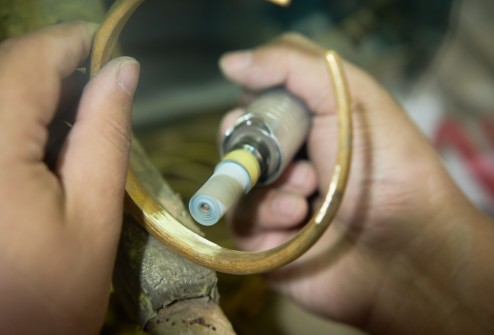
تلميع القوالب والتشطيب هو خطوة معالجة دقيقة في تصنيع المجوهرات. وهي مسؤولة عن إزالة الشوائب، والثقوب، وخطوط الوصل بعد صب القالب، وتحسين تشطيب السطح ودقة الشكل، وضمان أن المنتج يلبي متطلبات التصميم واحتياجات المعالجة اللاحقة.
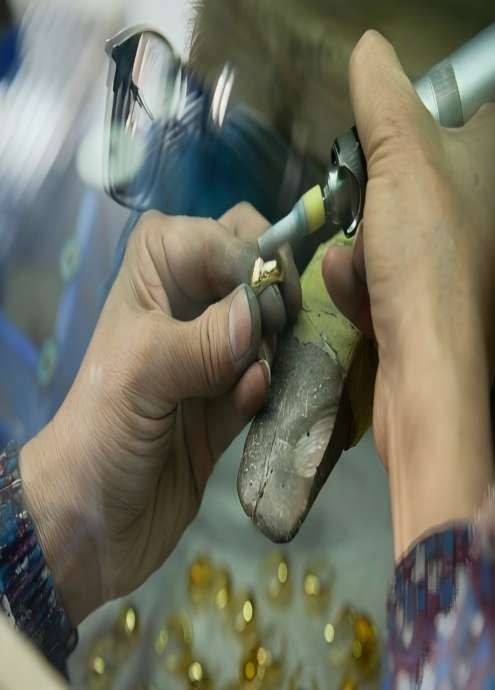
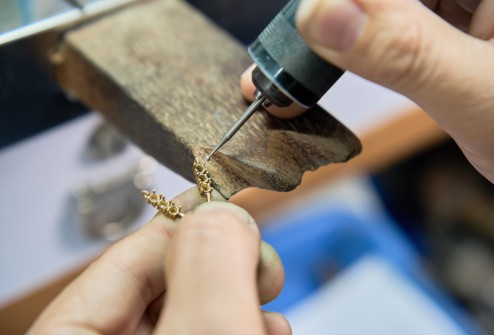
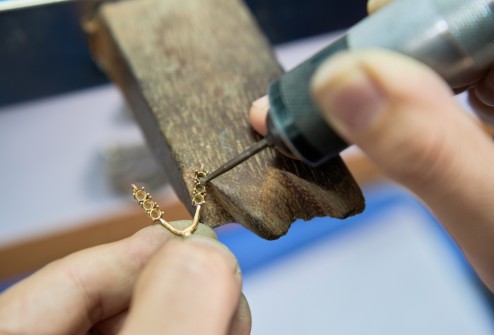
الطحن والتلميع هو عملية رئيسية لإنهاء دقيق لأسطح المجوهرات المعدنية، مما يقضي على علامات الأدوات، طبقات الأكسيد والنتوءات المجهرية، ويوفر سطح قاعدة مؤهل للتلميع/الطلاء الكهربائي اللاحق. يتم استخدامه بشكل رئيسي للدفعات، اللحام وواجهات الهيكل من مواد النحاس والفولاذ المقاوم للصدأ.
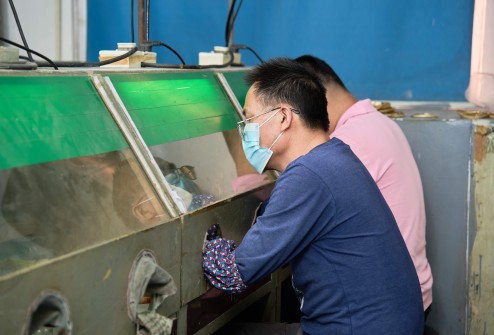
طلاء النحاس هو عملية طلاء كهربائي لطبقة نحاسية على سطح قاعدة المجوهرات (الفولاذ المقاوم للصدأ/سبائك الزنك/الفضة). يتم استخدامه بشكل رئيسي لـ:
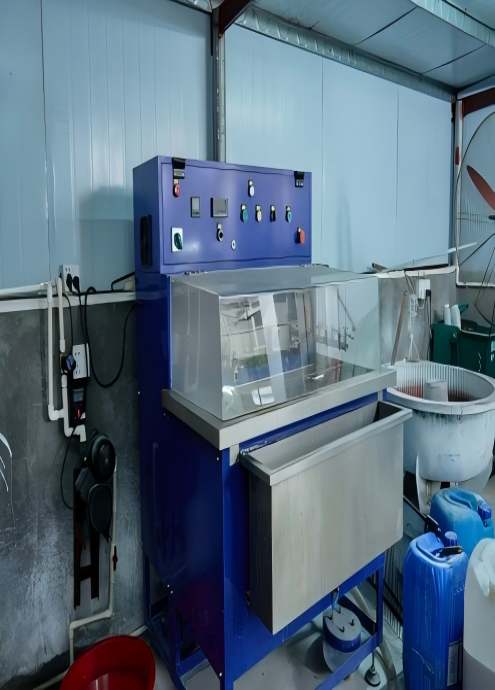
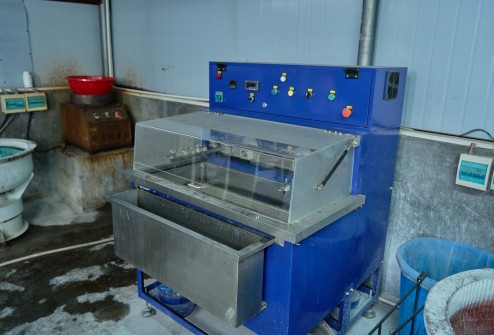
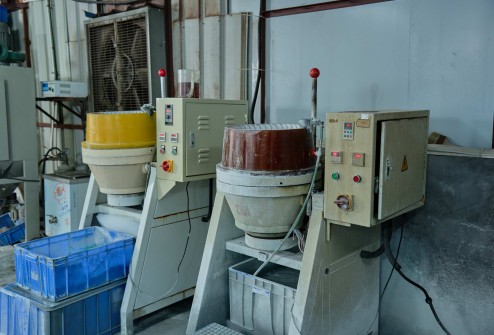
تستخدم عملية طباعة النوع تقنية النقش بالليزر أو الطباعة الميكانيكية لتشكيل علامة واضحة ودائمة على سطح المجوهرات، تلبي احتياجات شعار العلامة التجارية، علامة المادة المعدنية (مثل فضة 925) وعلامة شهادة الامتثال. تدعم هذه العملية النقش عالي الدقة 0.1 مم وتناسب المواد الشائعة للمجوهرات مثل النحاس والفولاذ المقاوم للصدأ.
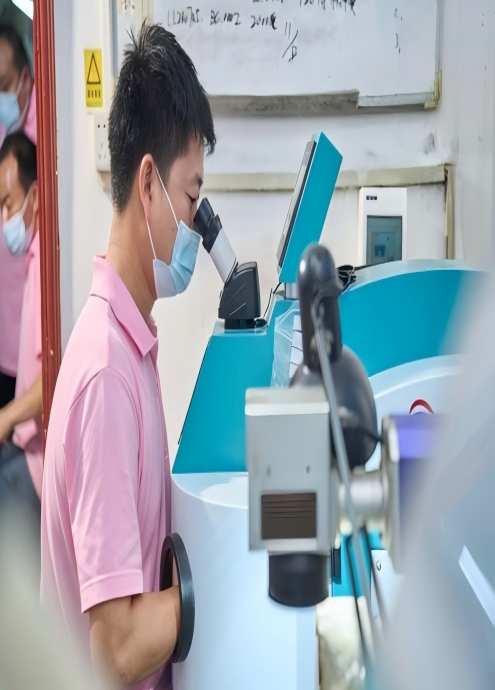
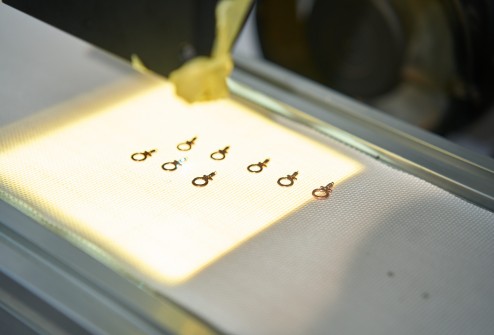
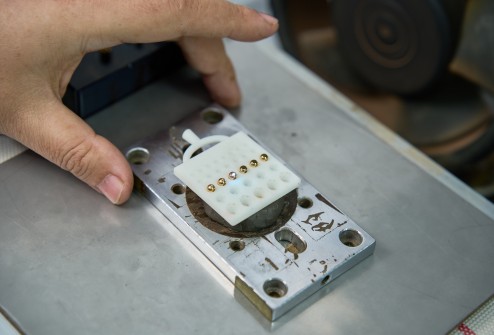
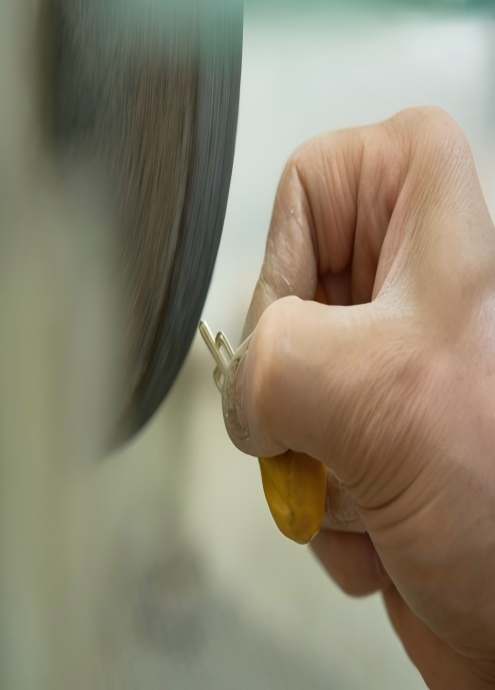
يُستخدم التلميع لتحسين إنهاء السطح ولمعان المجوهرات، وإزالة علامات المعالجة (مثل علامات الدوران، نقاط اللحام)، وجعل المنتج يظهر بتأثيرات مختلفة مثل المرآة، غير اللامع أو المصقول. تستخدم هذه العملية مزيجًا من الطرق الميكانيكية والكيميائية، مناسبة للنحاس والفولاذ المقاوم للصدأ والمعادن الأخرى، وتلبي معايير جودة المظهر في الأسواق الأوروبية والأمريكية.
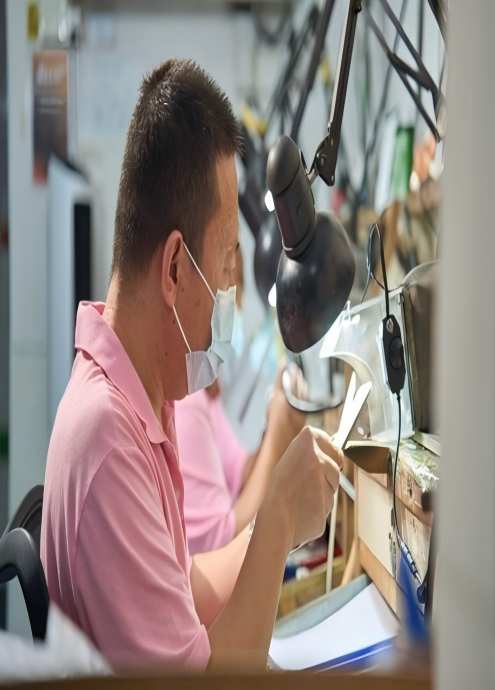
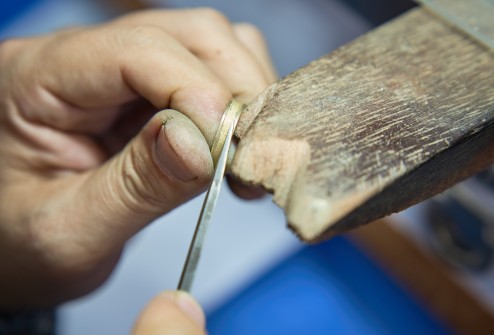
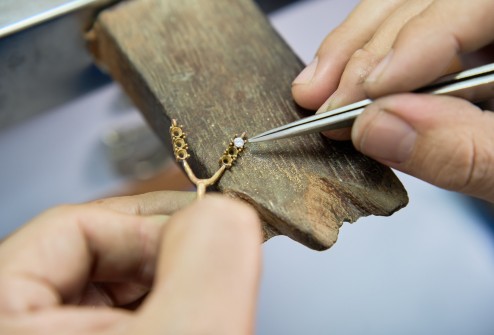
تشكل عملية الطلاء الكهربائي طبقة حماية معدنية على سطح المجوهرات من خلال الترسيب الكهربائي، مما يحقق مقاومة الأكسدة، مقاومة التآكل وتخصيص اللون (مثل البلاتين، الذهب الوردي، الأسود المسدس، إلخ). تتوافق هذه العملية مع معايير البيئة RoHS/REACH، مناسبة لأسطح النحاس والفولاذ المقاوم للصدأ، ويمكن أن تلبي المتطلبات الصارمة للأسواق الأوروبية والأمريكية لسمك الطلاء (0.5-5 ميكرومتر) ومقاومة التآكل.
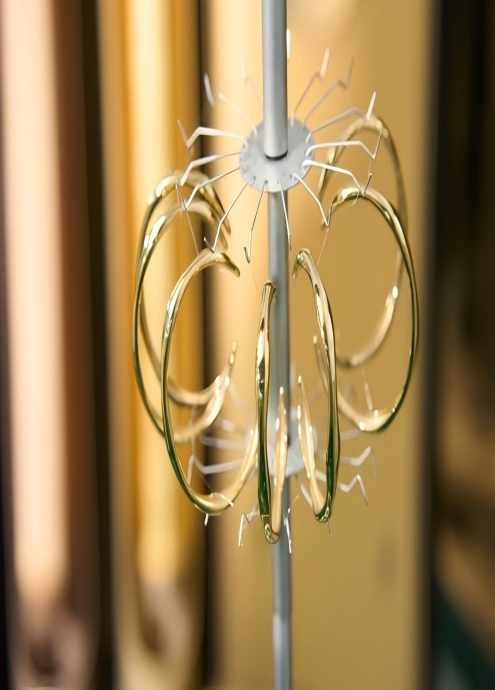
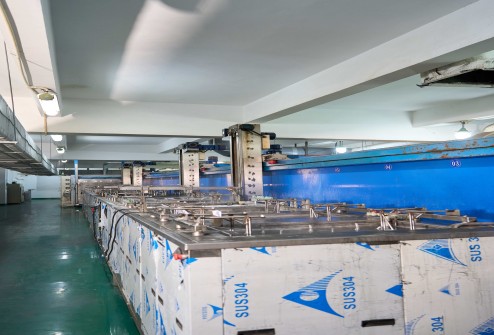
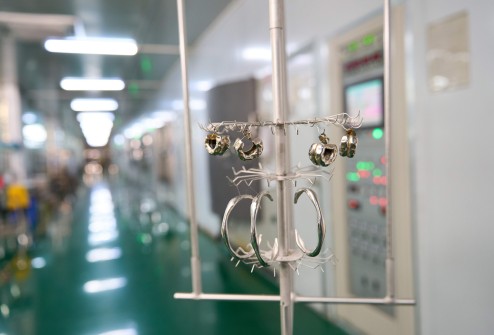
تؤثر عملية التعبئة بشكل مباشر على سلامة نقل المنتج، تأثير عرض العلامة التجارية وتجربة فتح العبوة للعميل. نحن نقدم حلول تعبئة تتوافق مع المعايير البيئية الأوروبية والأمريكية (ورق معتمد من FSC، مواد قابلة للتحلل)، تتكيف مع أنواع المنتجات المختلفة (قطعة واحدة/مجموعة)، احتياجات اللوجستيات (نقل جوي/بحري مقاوم للرطوبة) ومتطلبات تخصيص العلامة التجارية (طباعة الشعار، ابتكار هيكلي).
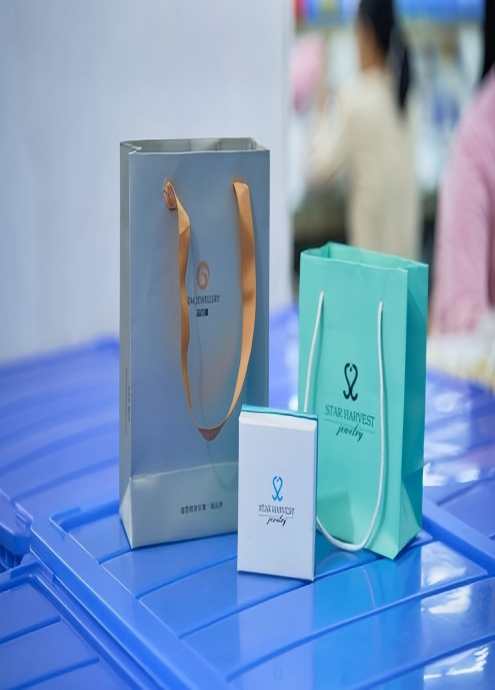
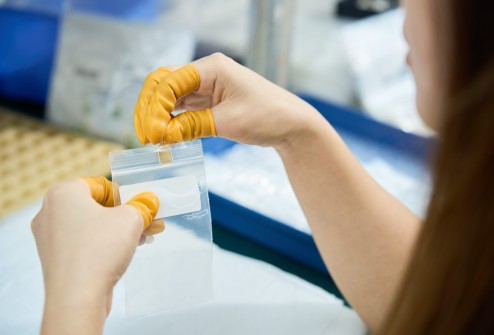
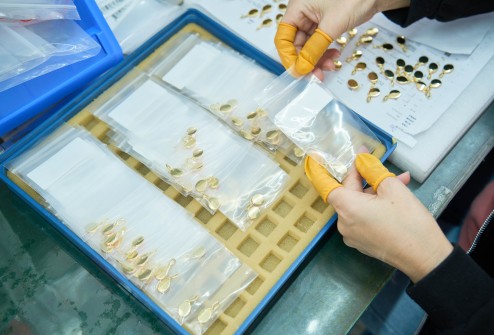
كل منتج ينقل مفهوم علامتك التجارية ويبرز في المنافسة الشديدة في سوق المجوهرات. نحن نقدم خدمات تخصيص مجوهرات خاصة بعلامة تجارية بتكلفة فعالة. من النقش على الشعار، وتصميم التعبئة إلى اختيار المواد والحرف، يتم مطابقة العملية بالكامل بدقة وفقًا لنغمة علامتك التجارية. تضمن سنوات من الخبرة في صناعة سوق المجوهرات أن المنتجات تلبي المعايير البيئية الدولية وطلب السوق، مما يساعدك على إنشاء خط منتجات علامة تجارية متميز بسرعة.
من اختيار المواد، الصب، التجميع إلى الطلاء الكهربائي، التلميع والتغليف، قمنا بإعداد نقاط تفتيش جودة صارمة في أكثر من 60 نقطة رئيسية، تغطي تركيب المواد واختبار البيئة (مثل إطلاق النيكل، محتوى الرصاص)، اختبار الأداء الفيزيائي (مقاومة التآكل بالملح، عزم الدوران، السقوط، وظيفة التثبيت) وفحص العملية (سمك طبقة الطلاء الكهربائي، تجانس التلميع، قوة اللحام) لضمان أن كل دفعة من المنتجات تلبي مواصفات التصميم ومعايير السلامة الخاصة بك، وتحقق تسليم جودة مستقرة.
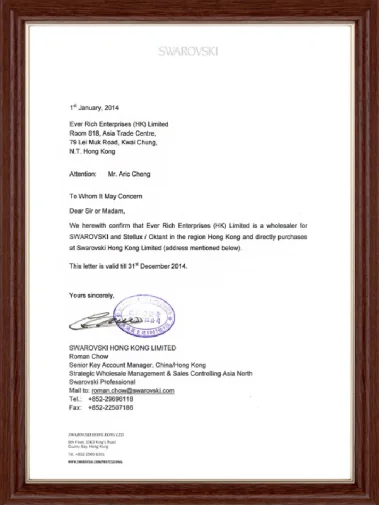
كشريك معتمد رسميًا من كريستال سواروفسكي، نضمن أن كل كريستال مستخدم في مجوهراتك المخصصة هو أصلي وقابل للتتبع، ومضمون بمعايير الجودة واللون الصارمة من سواروفسكي. نقدم لك دعمًا موثوقًا للمواد الخام ونتجنب النزاعات حول التقليد. في الوقت نفسه، نضمن إمدادًا مستقرًا ومستدامًا، وهو دعم قوي لك لإنشاء مجوهرات رائعة ذات قيمة مضافة للعلامة التجارية وثقة المستهلك.
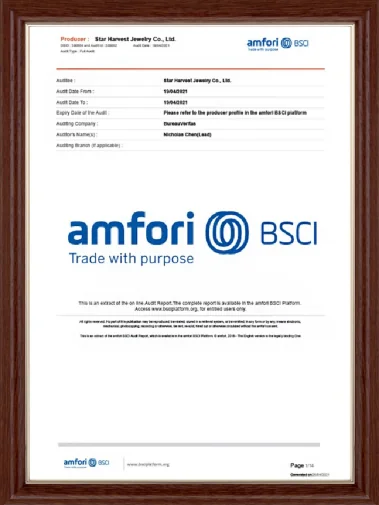
لدينا تقرير فحص مصنع BSCI ساري المفعول ونتبع بدقة معاييره العالمية للمسؤولية الاجتماعية للإنتاج، مما يضمن أن المجوهرات المخصصة التي تتعاون معها ليست فقط عالية الجودة، ولكن أيضًا تتماشى مع المعايير الأخلاقية المعترف بها دوليًا، مما يتجنب مخاطر سلسلة التوريد لعلامتك التجارية ويوفر تأييدًا قويًا للمسؤولية الاجتماعية.
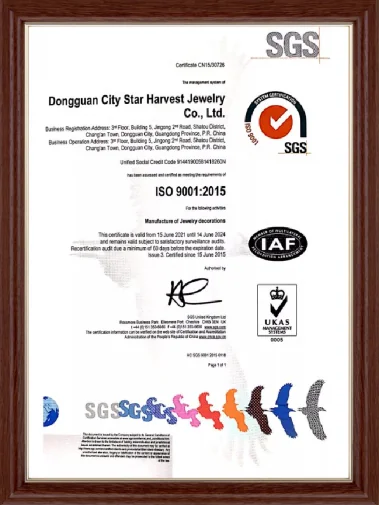
نحن معتمدون وفقًا لمعيار ISO 9001:2015، مما يضمن أن العملية بأكملها من شراء المواد الخام، وعملية الإنتاج إلى التسليم النهائي تخضع لرقابة صارمة، مما يضمن أن جودة مجوهراتك المخصصة متسقة ومستقرة، وتفي بمواصفاتك، وتقلل بشكل منهجي من مخاطر العيوب وتحسن كفاءة سلسلة التوريد، مما يوفر لعلامتك التجارية شريك إنتاج طويل الأمد أكثر موثوقية وقابلية للتنبؤ.
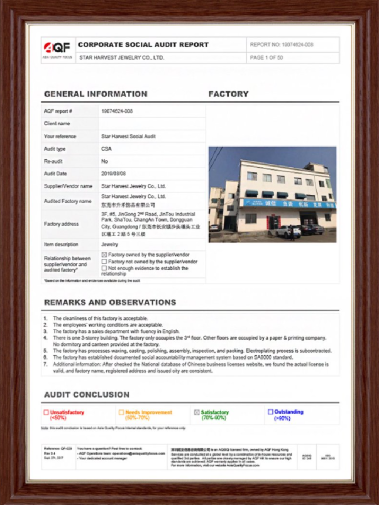
نحن نحمل شهادة معيار المسؤولية الاجتماعية SA8000 ونتبع بدقة معايير حماية العمال المعترف بها دوليًا، والصحة والسلامة، وحظر العمل القسري وعمل الأطفال وغيرها من الإرشادات للإنتاج، مما يضمن الامتثال الأخلاقي لسلسلة توريد المجوهرات المخصصة الخاصة بك، مما يقلل بشكل كبير من مخاطر حقوق الإنسان لعلامتك التجارية ويوفر دليلًا قويًا على التصنيع الأخلاقي، وهو ضمان امتثال لا غنى عنه لبناء علامة تجارية مسؤولة.
فضة.