
 Introduction to Ion Plating Technology
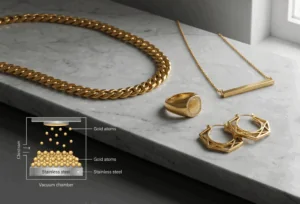
Ion plating is an advanced coating technique performed through Physical Vapor Deposition. Metallic particles are vaporized and deposited onto a base material. This process creates a durable surface that enhances the appearance and longevity of the product. StarHarvest specializes in applying this technology to high quality brass and stainless steel jewelry, leveraging over 20 years of manufacturing experience.
Key Benefits of Ion Plating
Ion plating offers distinct advantages for modern jewelry manufacturing.
Exceptional Durability
A thin coating of ion plating achieves a hard surface. This surface outperforms traditional methods in scratch resistance and wear longevity.
Low Maintenance and Water Resistance
Ion plated jewelry requires minimal maintenance. The finish remains stable under various environmental conditions.
Cost Efficiency
Ion plating allows jewelry to mimic the appearance of precious metals like gold or platinum. Brands can offer a wide range of colors and finishes without the high material costs associated with solid precious metals.
Ion Plated vs Stainless Steel
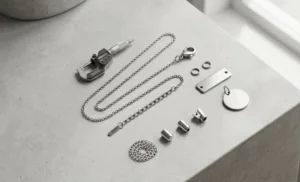
Understanding the difference between ion plated jewelry and unplated stainless steel is crucial for product line planning. Stainless steel is the base material. It is naturally durable and corrosion resistant. Ion plating adds an extra layer of coating over the stainless steel. This additional layer provides enhanced scratch resistance and various color options. Unplated stainless steel offers an industrial look. Ion plating provides design versatility for premium product lines.
The Physical Vapor Deposition Process
Ion plating is a specific process under Physical Vapor Deposition. The multi step process creates a reliable coating on brass and stainless steel.
Vacuum Deposition
The base material is cleaned thoroughly and inserted into a sealed vacuum chamber. Vacuum deposition eliminates external contamination and allows for high purity in the coating.
Sputter Deposition
The coating material is bombarded with high energy ions. Atoms from the material are ejected into the vacuum chamber and deposit onto the base jewelry pieces.
Arc Vapor Deposition
An electric arc is applied to the coating material. This produces highly ionized metal vapor plasma. The metal ions are directed toward the jewelry, making the resulting coating firm.
Ion Plating Integration
The final stage integrates vaporization and ionization mechanisms. This ensures the coating material bonds tightly to the base metal.
Ion Plating vs Traditional Electroplating
Comparing ion plating to traditional electroplating reveals significant differences in performance and application.
Ketahanan
Ion plating creates a resilient surface with superior hardness. Electroplating yields softer coatings that are more prone to wear and base metal exposure.
Cost
Ion plating requires specialized vacuum equipment. It remains more cost effective for scaling production of stainless steel jewelry. Electroplating involves additional procedures to achieve reliable adhesion on stainless steel.
Environmental Impact
Ion plating is a cleaner process with minimal waste and zero hazardous chemical discharge. Electroplating requires strict wastewater treatment to manage chemical residues.
Longevity and Tarnish Resistance
Ion plated stainless steel jewelry generally maintains its finish for over two years. The strong bond between the coating and the base surface creates a dense layer that protects against fading and tarnishing. Yellow or gold ion plated pieces remain vibrant due to the molecular bonding in the deposition process.
Kesimpulan
Selecting the right plating method impacts product durability and brand reputation. Partnering with a specialized manufacturer ensures your inventory meets strict quality standards. StarHarvest applies advanced ion plating technology to produce premium brass and stainless steel jewelry. Contact our team to optimize your sourcing strategy.