Navigating Waterproof Silver Jewelry Materials: A B2B ManufacturingGuide
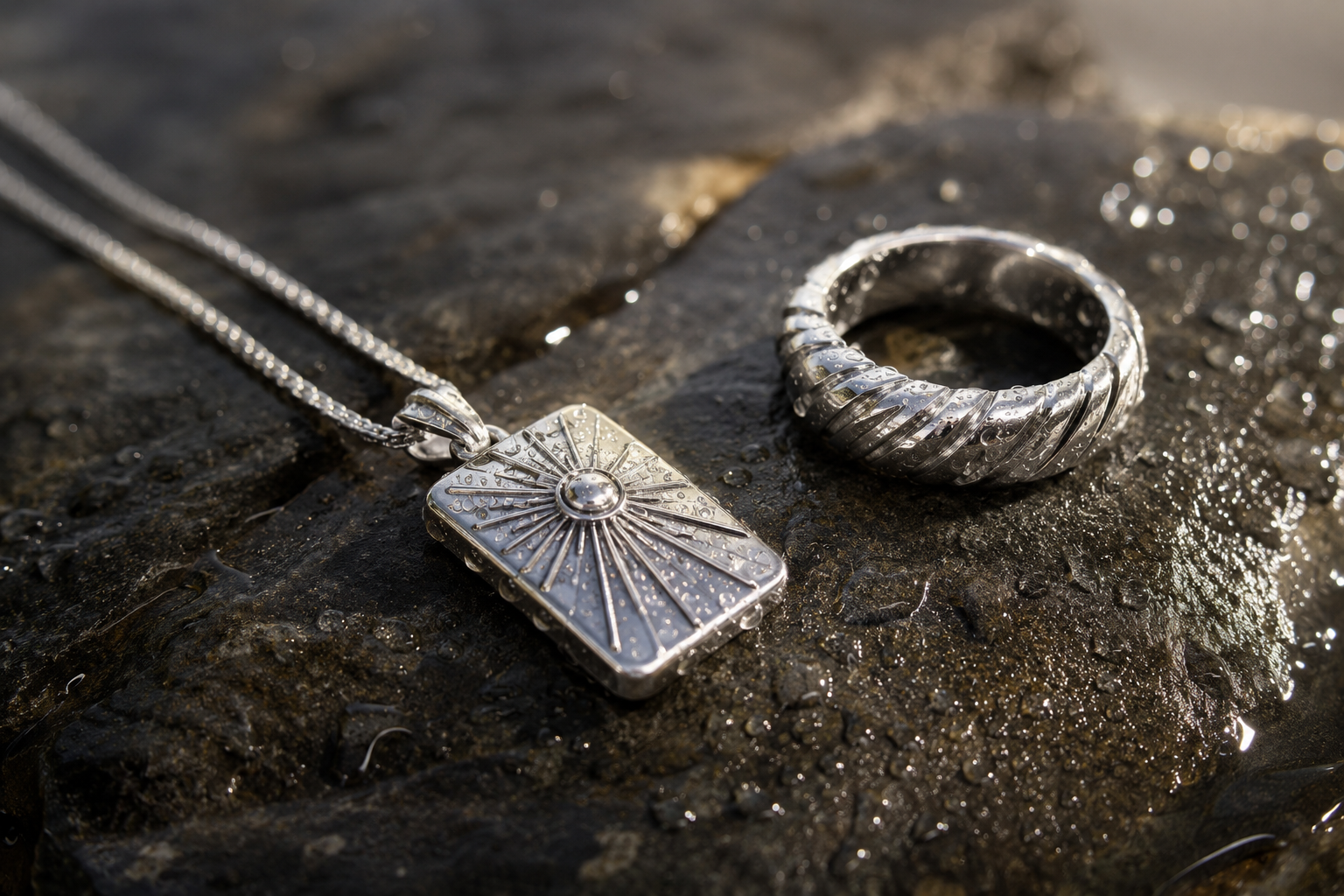
In today’s jewelry market, “low-maintenance luxury” has transitioned from a consumer preference to an absolute market mandate. End consumers increasingly demand everyday jewelry that can survive the rigors of bathing, swimming, and daily chores without requiring constant removal. Consequently, silver-toned waterproof jewelry has emerged as a high-performing, versatile staple across global retail portfolios.
For jewelry brands planning their upcoming collections, choosing the right foundational metal and plating combination is paramount to minimizing aftermarket complaints and maximizing customer retention. As a premier global jewelry manufacturer, StarHarvest outlines the leading waterproof silver materials to help brands balance aesthetic brilliance, durability, and manufacturing costs.
The Pillars of Waterproof Silver-Tone Jewelry
When engineering silver-toned jewelry to withstand water exposure, the industry relies primarily on two paths: utilizing naturally corrosion-resistant base metals or reinforcing malleable metals with specialized, defensive electroplating.
The three most dependable configurations in commercial production include:
- Base Stainless Steel:Highly revered for its innate resistance to oxidation, rust, and tarnish. It represents the gold standard for activewear and low-maintenance daily jewelry.
- Rhodium-Plated Sterling Silver:Leverages the prestigious market value of 925 silver while utilizing a hard platinum-group metal layer to block moisture and prevent tarnishing.
- Rhodium-Plated Brass:An exceptional alternative for complex, high-fashion designs, offering a premium white-gold appearance and solid water resistance at a highly competitive price point.
Technical Analysis: Stainless Steel vs. Sterling Silver
While base stainless steel and rhodium-plated sterling silver can look virtually identical to the naked eye, their structural integrity and commercial applications differ significantly.
1. Moisture and Chemical Resistance
Sterling silver is a precious metal alloyed with copper or zinc. By nature, it is not fully waterproof and reacts aggressively when exposed to the chlorine in swimming pools or the salinity of ocean water, leading to rapid tarnishing. While a premium rhodium barrier delays this oxidation, the piece still requires careful post-wear drying.
Conversely, marine-grade stainless steel contains chromium, allowing it to naturally resist rust and chemical corrosion. It can withstand frequent and prolonged water exposure without compromising its structural finish.
2. Design Flexibility and Material Temper
Sterling silver is highly malleable and soft, making it the ideal choice for crafting intricate, fluid, and complex geometries. Its lightweight properties also make it the preferred material for chunky, multi-layered jewelry lines where wearer comfort is a priority.
Stainless steel, by contrast, possesses high tensile strength and rigidity. While its hardness ensures the jewelry will never bend out of shape and can last a lifetime, it limits the complexity of intricate, delicate wirework or highly detailed micro-setting.
3. Commercial Positioning and Budgeting
The raw material cost of 925 sterling silver dictates a higher price point, positioning it perfectly for demi-fine and light-luxury brand tiers. Stainless steel utilizes readily available industrial alloys, making it an incredibly cost-effective option for fast-fashion brands, high-volume e-commerce storefronts, and mainstream retail lines looking to maximize profit margins.
Elevating Quality with StarHarvest’s Supply Chain Solutions
Ultimately, the commercial lifespan and waterproof performance of any jewelry collection rest entirely on the technical capability of your manufacturing partner.
Apud StarHarvest, we bring 20 years of dedicated expertise in brass and stainless steel jewelry manufacturing, serving over 300 global jewelry brands with an exceptional client renewal rate of over 83%. We operate as an RJC, SGS, and ISO9001 certified compliant facility, eliminating regulatory risks for brands entering strict European and American markets.
Our production infrastructure is built to solve the industry’s biggest pain points:
Advanced Anti-Tarnish Technology: We utilize 7 independently developed, patented electroplating processes. This advanced technique guarantees color retention for over 3 years, resolving the industry-wide headache of premature fading.
Uncompromising Quality Assurance: Backed by German precision testing equipment and a rigorous 3-level inspection system, we maintain a 100% full-inspection pass rate, ensuring our batch yield consistently exceeds 99%.
Agile and Transparent Supply Chain: Led by an executive team with up to 30 years of quality engineering experience, our digitized ERP order system streamlines production. We have successfully shortened standard delivery cycles from 45 days down to 32 days, maintaining a 97% on-time delivery rate.
Whether you are looking to deploy a high-volume stainless steel collection or a premium, intricately crafted brass line, StarHarvest provides complete 1V1 tailored solutions—from 3D prototyping to rapid sampling and final delivery. Partner with us to transform your creative designs into durable, high-value products, leaving you free to focus entirely on building your brand.