
Cold enamel est una ex communissimis technicis tractandi superficiem in moderno jewelry fabricando. Peragere per quamlibet collectionem vibrantis fashion jewelry et odds sunt altae quod cold enamel est post illas lucentes, candy-coloratas superficies. Pro brandibus in scala fontibus, haec technica meretur gravem attentionem.
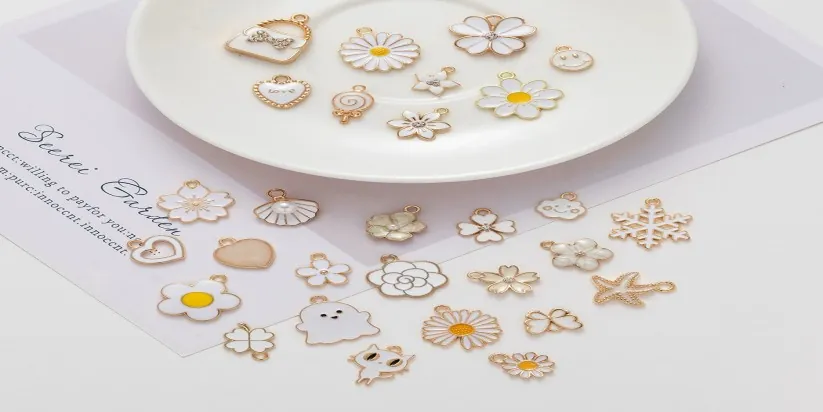
Quid est Cold Enamel, Exacte?
In multis circulis fabricandis, cold enamel alio nomine vocatur: oleum stillans, ad modum quomodo liquidum resinam apparet cum dispensatur, sicut viscosum, oleum-simile gutta in cavitate metallica consistens.
Ad suum cor, cold enamel est basis epoxy resinam coniuncta cum hardener (etiam dicto agente curante), in quam pigmenta coloris concentrata miscetur. Nulla furnacis opus est, cum cold enamel curat ad temperiem camerae vel cum low-heat coctura.
Bene peracta pars cold enamel praebet superficiem lenem, crassam, et valde reflexam quae apparet paene vitrea. Illa opticalis profunditas et lucida splendor elevant perceptum valoris corporis jewelry, faciens brass charm bracelet multo magis praeciosum quam eius costus suadet.
Quid est to Processus Productionis Pulu Teuila Partium?
Pro jewelry brandibus specificando partes jewelry cold enamel, essentiale est intelligere processum fabricandi:
1. CAD & Design Mold
Omnia incipiunt cum exemplari 3D. Designers debent fabricare fines metallicos vel cavitates recessas in suis consiliis. Vocamus haec “cloisons.” Haec agunt ut muri ad continendum liquidum resinam. Sine his finibus, liquidum simpliciter effunditur super margines metalli. Peritus designer scit quomodo aequare crassitudinem horum murorum ut maneant sturdies sed non detrahunt a colore.
2. Fa'ata'ita'iga o le Lanumoana Pantone
Una ex praecipuis pretiosis characteribus cold enamel est praecisum coloris imperium. Brand potest petere praecisum concordiam pro suis specificis coloribus Pantone. Hoc gradus accurate valde difficile est consequi cum vitreo enamel, quod saepe colorem in furno mutat. Pro brandibus ubi quidam coral vel cobalt blue est cor visum asset, haec capacitas est significant.
3. Praecisio Injectio
Postquam resinam miscetur et color-concordatur, debet dispensi in recessibus metallicis magna cura. Professionales fabricatores utuntur specialibus pneumaticis syringibus ad liquorem in cavitates injectandum quae fieri possunt latitudine millimetrorum. Quaelibet excessus facit resinam overflow in superficiem metallicam, quae est visibilis defectus qualitatis.
4. Defoaming et Curing
Post injectionem, microscopicis aere bulbi manent captivi intra resinam. Si non tractantur, haec creant nebulosum vel pitted superficiem. Famosi fabricatores utuntur vacuum defoaming ad extrahendum aerem ante curandum. Pars deinde curat aut per aere-drying per 24–48 horas aut per cocturam temperati inferioris, accelerans timeline sine compromittendo qualitatis superficiei.
Cold Enamel pro Productione Jewelry: Pro et Limitationes
Commoda
The color range is virtually unlimited, from opaque solids to translucent washes and pearlescent or fluorescent effects.
.The process is significantly more cost-effective than traditional kiln-fired enamel in both materials and labor.
.Turnaround is faster, which matters when chasing seasonal trend cycles.
.And unlike glass-based vitreous enamel, cold enamel resin resists shattering — a practical benefit for wearable fashion pieces.
.
The Limitations
Cold enamel is not as scratch-resistant as traditional hard enamel, which is physically fused into the metal. With repeated friction, fine surface marks can appear over time.
.Additionally, prolonged UV exposure can cause cheaper resin formulations to develop a slight yellowish cast.
.
How to Vet a Manufacturer’s Cold Enamel Expertise
Not every jewelry manufacturer can handle cold enamel with the same level of skill. When you review samples, look for these four markers of quality:
Resin containment.
.The resin must sit cleanly within its metal borders. Overflow onto the surrounding metal is a sign of imprecise injection work that consumers will notice.
.Bubble-free surface.
.A cloudy finish or visible air pockets indicate a rushed defoaming step. The surface should be clear and uniform across the entire filled area.
.Dust control.
.Liquid resin attracts airborne dust particles while wet. A serious manufacturer operates dust-free curing cabinets during the curing phase.
.Surface profile.
.Correctly applied cold enamel should appear slightly domed. A sunken or uneven surface indicates under-filling or poor resin quality.
.
Where Cold Enamel Fits Your Jewelry Line
Currently, this technique is a favorite for Gen Z trends. It fits perfectly with the “Kidcore” and “Y2K” aesthetics that dominate social media. These styles favor bright, playful colors and bold shapes.
.It is also an excellent choice for vibrant summer collections. Think of turquoise blues for beach themes or hot pinks for tropical vibes. Since you can match Pantone colors, it is ideal for corporate gifts or brand-specific merchandise.
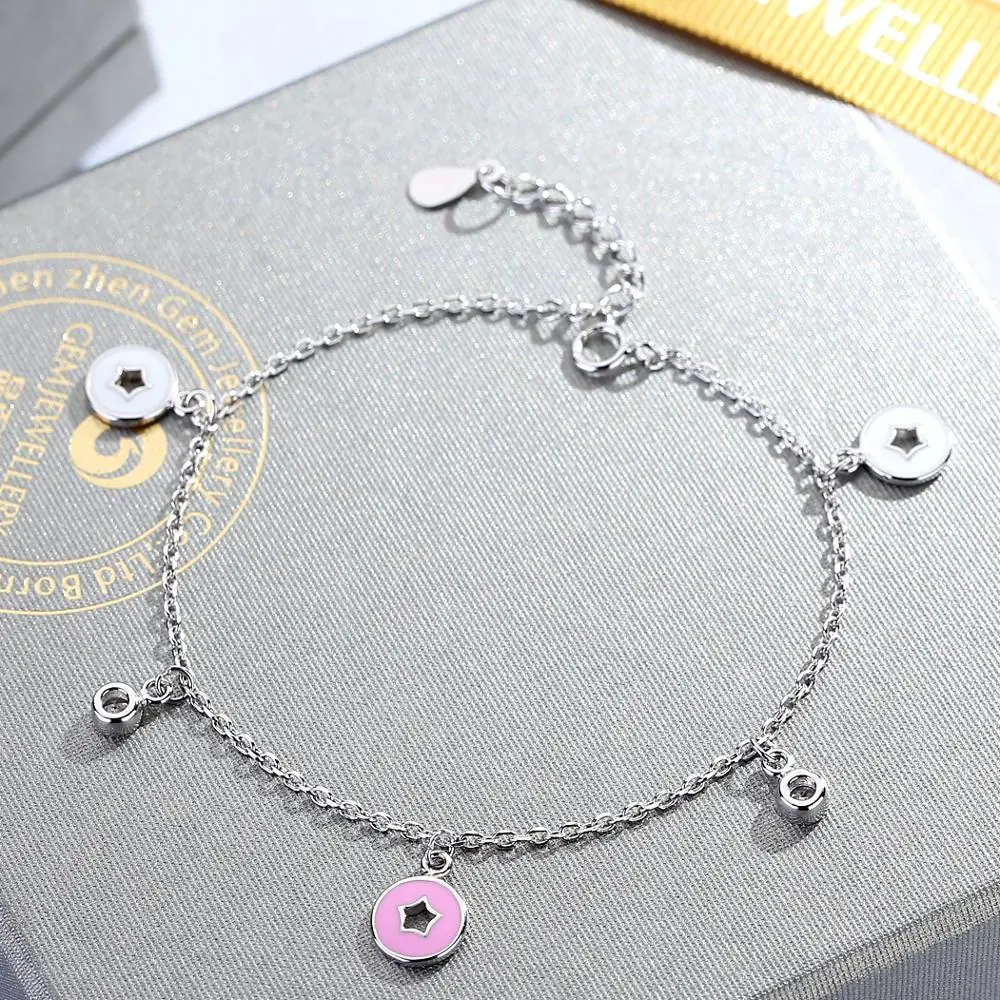
.Many jewelry brands already use cold enamel for charm bracelets and personalized initial pendants, where color helps a specific letter or symbol pop against the metal.
.
The Right Jewelry Manufacturer Makes All the Difference
For brands ready to incorporate cold enamel pieces into their product lines, the manufacturer’s capabilities matter as much as the design itself.
.With over 20 years of OEM experience,
, Star Harvestuses food-grade, eco-friendly pigments and strictly matches colors according to the Color Atlas to accurately reproduce Pantone shades.
.A 72-hour UV curing process further guarantees that enamel lettering and logos remain crack- and peel-resistant for up to five years.
.Additionally, Star Harvest implements the SH-P multiple quality control system to ensure the bulk production remains consistent with approved samples.
.Fita re ha’iri to’e re i to’va o to’va? Ka ropi’oi e Star Harvest to’ea e tu’ori to’va e ta e levehi in th’i in re e t’oro.